Triethylamine → N-[(6-chloropyridin-3-yl)methyl]-2,2-difluoroethanamine
Reaction equation

[F:1][CH:2]([F:5])[CH2:3]Cl.[Cl:6][C:7]1[N:12]=[CH:11][C:10]([CH2:13][NH2:14])=[CH:9][CH:8]=1.C(N(CC)CC)C.[Br-].[K+]>CN1CCCC1=O>[Cl:6][C:7]1[N:12]=[CH:11][C:10]([CH2:13][NH:14][CH2:3][CH:2]([F:5])[F:1])=[CH:9][CH:8]=1Participants
Reactant 4



Product 1

Reagents, catalysts & solvents 1

Conditions
- Temperature
- 120 °C
Procedure
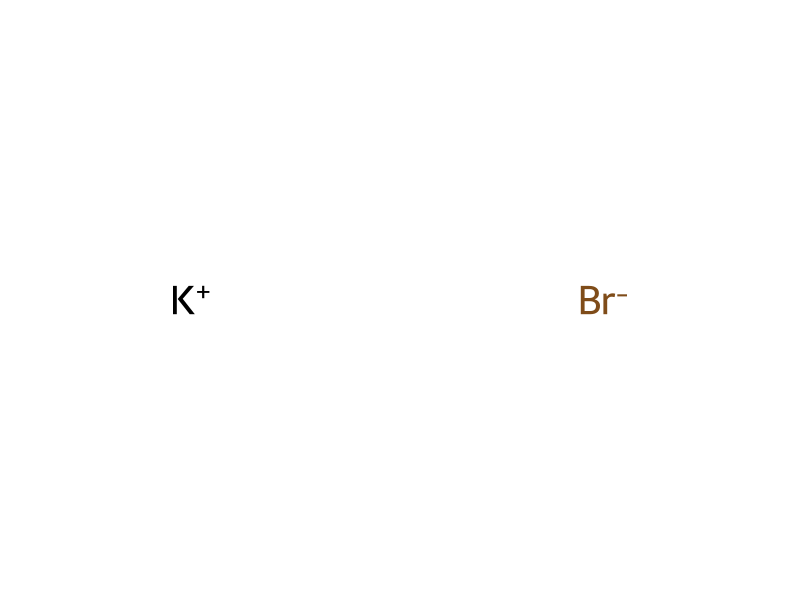
13.7 g (0.135 mol) of 2,2-difluoro-1-chloroethane, 10 g (0.067 mol) of 1-(6-chloropyridin-3-yl)methanamine and 8.2 g of triethylamine are initially charged with 31 g of N-methylpyrrolidone. In addition, 4 g (0.033 mol) of potassium bromide are added. The mixture is heated to 120° C. under autogenous pressure in an autoclave for 16 hours and then cooled again to 80° C. The N-methylpyrrolidone is distilled off at 80° C. under reduced pressure and the reaction mixture is poured onto 20 ml of 32% hydrochloric acid. The mixture is concentrated to dryness under reduced pressure and then adjusted to pH 12 with 10 ml of 45% NaOH. The mixture is extracted three times with 30 ml of toluene and the organic phases are distilled under reduced pressure. This gives 9.8 g of N-[(6-chloropyridin-3-yl)methyl]-2,2-difluoroethanamine (corresponds to 71% yield).
Workup
- temperaturecooled again to 80° C
- distillationThe N-methylpyrrolidone is distilled off at 80° C. under reduced pressure
- additionthe reaction mixture is poured onto 20 ml of 32% hydrochloric acid
- concentrationThe mixture is concentrated to dryness under reduced pressure
- extractionThe mixture is extracted three times with 30 ml of toluene
- distillationthe organic phases are distilled under reduced pressure
Sources & evidence
- ORD record
- ord-ec5e547f6ed74ce798eee751c43d719e
- Source dataset
- uspto-grants-2013_06
- Patent number
- US08466293B2
Reaction notes
Loading…