Anisole → 5-Amino-7-chloro-2-(2-furyl)[1,2,4]triazolo[1,5-c]pyrimidine
Reaction equation

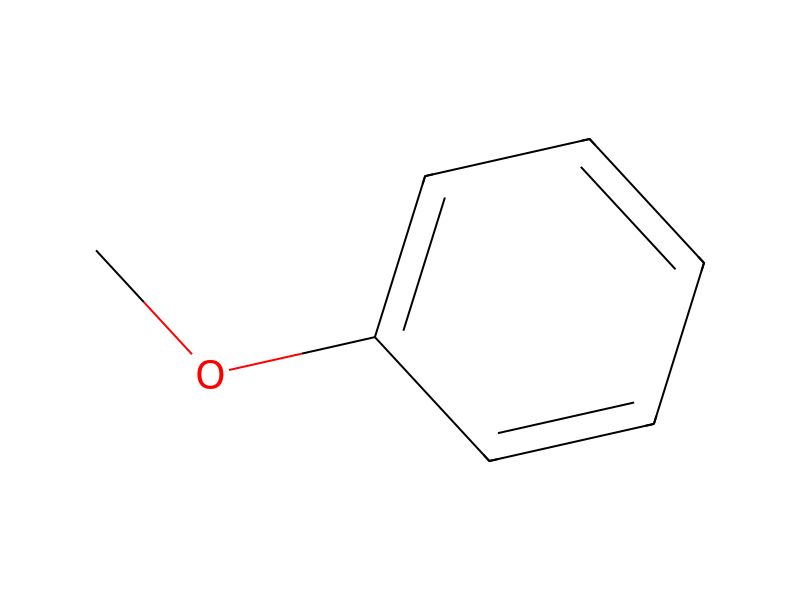
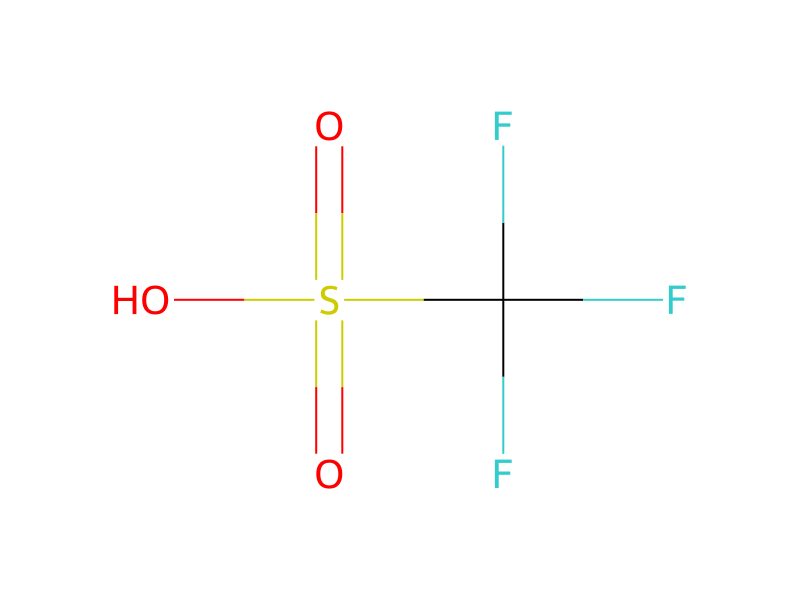
[Cl:1][C:2]1[N:7]=[C:6]([NH:8]CC2C=CC(OC)=C(OC)C=2)[N:5]2[N:20]=[C:21]([C:23]3[O:24][CH:25]=[CH:26][CH:27]=3)[N:22]=[C:4]2[CH:3]=1.FC(F)(F)S(O)(=O)=O.C1(OC)C=CC=CC=1>FC(F)(F)C(O)=O>[NH2:8][C:6]1[N:5]2[N:20]=[C:21]([C:23]3[O:24][CH:25]=[CH:26][CH:27]=3)[N:22]=[C:4]2[CH:3]=[C:2]([Cl:1])[N:7]=1Participants
5
Reactant 3

Product 1

Reagents, catalysts & solvents 1

Procedure
Into 260 mL of trifluoroacetic acid, 50.0 g (130 mmol) of Compound D was dissolved, and 50 g (333 mmol) of trifluoromethanesulfonic acid and 42 mL (390 mmol) of anisole were added thereto, followed by stirring at room temperature for about 2 hours. After completion of the reaction, trifluoroacetic acid was evaporated under reduced pressure, and the residue was poured into ice-water. The mixture was adjusted to be alkaline with a 2 mol/L aqueous sodium hydroxide solution. The precipitated solid was washed with hexane and was reslurried with chloroform to obtain 25.6 g of Compound E as a white solid (yield: 83%).
Workup
- customwas evaporated under reduced pressure
- additionthe residue was poured into ice-water
- washThe precipitated solid was washed with hexane
Sources & evidence
- ORD record
- ord-3c0aabe9c3c947148a22680557dfb97f
- Source dataset
- uspto-grants-2003_04
- Patent number
- US06545000B1
Reaction notes
Loading…