(Trifluoromethyl)benzene → Tricyclo(3.3.1.1'3,7)dec-1-ylmethanol
Reaction equation

[OH:1][CH2:2][C:3]12[CH2:12][CH:7]3[CH2:8][CH:9]([CH2:11][CH:5]([CH2:6]3)[CH2:4]1)[CH2:10]2.FC(C1C=CC=CC=1)(F)F>ClCCCl>[C:3]12([CH:2]=[O:1])[CH2:10][CH:9]3[CH2:8][CH:7]([CH2:6][CH:5]([CH2:11]3)[CH2:4]1)[CH2:12]2.[OH:1][CH2:2][C:3]12[CH2:12][CH:7]3[CH2:6][CH:5]([CH2:11][CH:9]([CH2:8]3)[CH2:10]1)[CH2:4]2Participants
5
Reactant 2
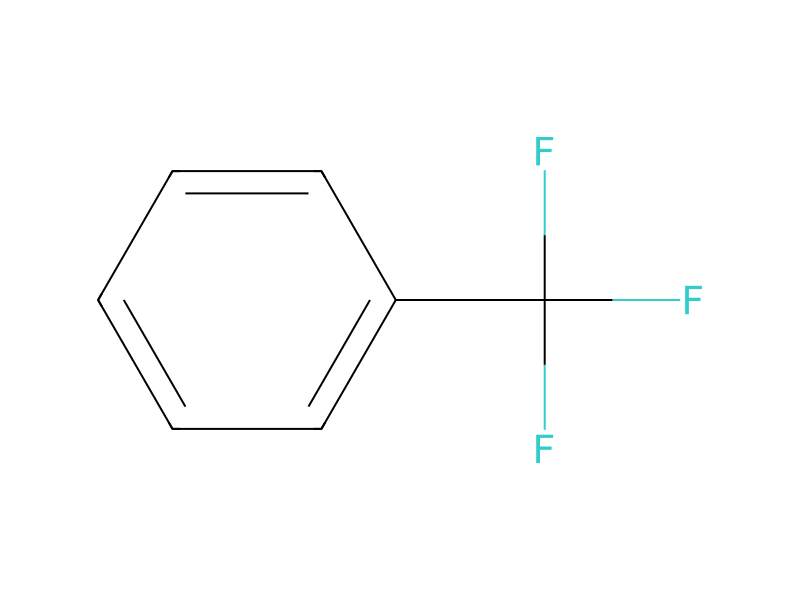

Product 2

Reagents, catalysts & solvents 1

Procedure
The procedure of Example 1 was repeated, except that 1 millimole of 1-hydroxymethyladamantane was used instead of 1-decanol and 6 ml of 1,2-dichloroethane was employed in lieu of trifluoromethylbenzene, to give 1-adamantanecarbaldehyde in a conversion rate of 1-hydroxymethyladamantane of 76% (yield 58%).
Sources & evidence
- ORD record
- ord-a5ef3853e2954933ad098ce51bff29da
- Source dataset
- uspto-grants-2000_12
- Patent number
- US06166264
Reaction notes
Loading…