Acetonitrile → 4-Aminophenol
Reaction equation

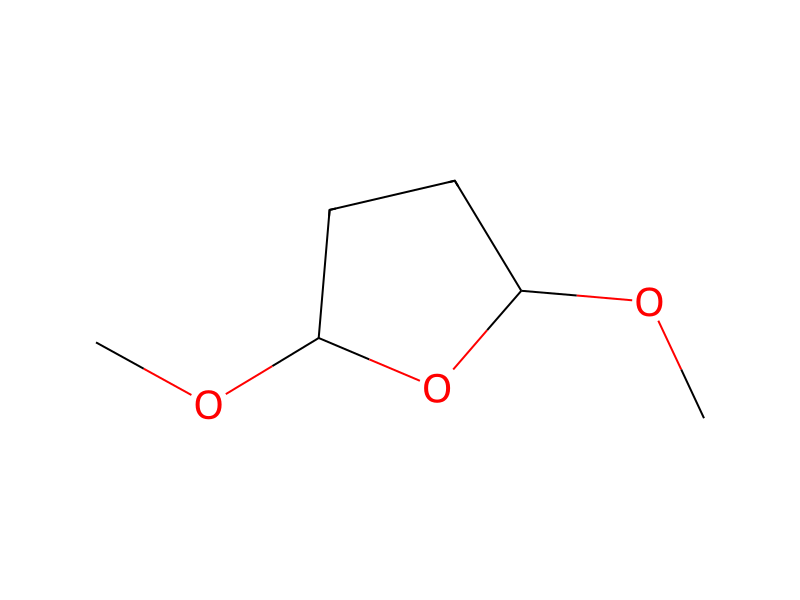
[CH2:1]([CH:3]1[O:5][CH2:4]1)Cl.[NH:6]1[CH2:11][CH2:10][CH2:9][CH2:8][CH2:7]1.[C:12](=[O:15])([O-:14])[O-].[K+].[K+].[C:18](#N)C>>[CH:10]1[C:11]([NH2:6])=[CH:12][CH:4]=[C:3]([OH:5])[CH:1]=1.[CH3:18][O:14][CH:12]1[CH2:9][CH2:8][CH:7]([O:5][CH3:4])[O:15]1Participants
6





Procedure
5.0 g (31.4 mmols) of 4-pyrrolyl-(1)-phenol, 11.6 g (9.9 ml) of epichlorohydrin and 0.1 ml of piperidine are heated for 6 hours under reflux. Instead of the piperidine, a small amount of potassium carbonate and acetonitrile can also be used. The excess epichlorohydrin is then distilled off and the residue is distilled at 160° C and 0.05 mm Hg. The resulting 1-[4-pyrrolyl-(1)-phenoxy]-2,3-epoxy-propane can be used further direct. The 4-pyrrolyl-(1)-phenol used can, in turn, be obtained from p-aminophenol and 2,5-dimethoxy-tetrahydrofurane in glacial acetic acid.
Workup
- temperatureunder reflux
- distillationThe excess epichlorohydrin is then distilled off
- distillationthe residue is distilled at 160° C
Sources & evidence
- ORD record
- ord-215982f30b204fa99e7ceb43906bd0dd
- Source dataset
- uspto-grants-1976_10
- Patent number
- US03984436
Reaction notes
Loading…