2-Naphthol → HCID 19069389, compound
Reaction equation

[CH:1]1[C:10]2[C:5](=[CH:6][CH:7]=[CH:8][CH:9]=2)[CH:4]=[CH:3][C:2]=1[OH:11].[H-].[Na+].F[C:15]1[CH:22]=[CH:21][C:18]([CH:19]=[O:20])=[CH:17][CH:16]=1>CN(C=O)C>[CH:1]1[C:10]2[C:5](=[CH:6][CH:7]=[CH:8][CH:9]=2)[CH:4]=[CH:3][C:2]=1[O:11][C:15]1[CH:22]=[CH:21][C:18]([CH:19]=[O:20])=[CH:17][CH:16]=1Participants
5
Reactant 3


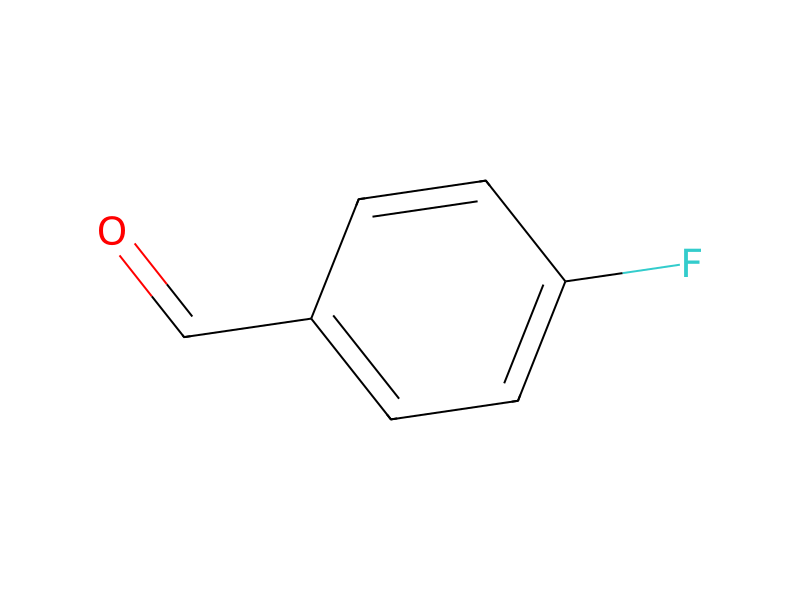
Product 1

Reagents, catalysts & solvents 1

Procedure
To a solution of 2-naphthol (14.4 g) in DMF (100 ml) is added sodium hydride (4.2 g of 60% dispersion). When gas evolution ceases, 4-fluorobenzaldehyde (11.5 ml) is added, and the reaction mixture is stirred at 130° for 48 hr. The mixture is cooled, poured onto crushed ice, and the product extracted with ether. Chromatography of the concentrated extract with 3:2 dichloromethane-hexane provides 4-(2-naphthyloxy)benzaldehyde as a pale yellow solid (10.25 g, 41%).
Workup
- temperatureThe mixture is cooled
- additionpoured
- customonto crushed ice
- extractionthe product extracted with ether
- extractionChromatography of the concentrated extract with 3:2 dichloromethane-hexane
Sources & evidence
- ORD record
- ord-92c296032d8e4472afd38d24961949d2
- Source dataset
- uspto-grants-1995_11
- Patent number
- US05464865
Reaction notes
Loading…