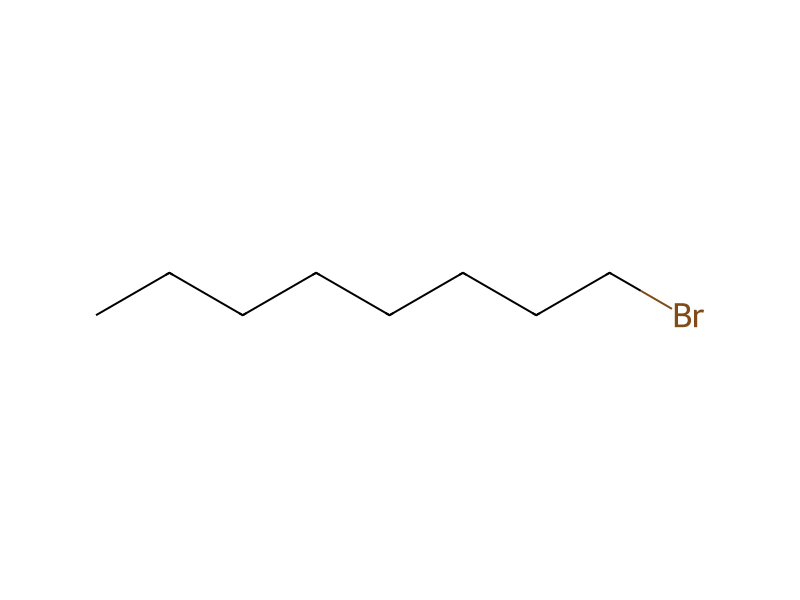
1-Bromooctane → HCID 19375100, compound
Reaction equation

[CH3:1][O:2][CH:3]([O:13][CH3:14])[CH2:4][S:5][C:6]1[CH:11]=[CH:10][C:9]([OH:12])=[CH:8][CH:7]=1.[H-].[Na+].Br[CH2:18][CH2:19][CH2:20][CH2:21][CH2:22][CH2:23][CH2:24][CH3:25]>>[CH3:14][O:13][CH:3]([O:2][CH3:1])[CH2:4][S:5][C:6]1[CH:11]=[CH:10][C:9]([O:12][CH2:18][CH2:19][CH2:20][CH2:21][CH2:22][CH2:23][CH2:24][CH3:25])=[CH:8][CH:7]=1Participants
4



Procedure
This phenol is alkylated again by the same method, but using sodium hydride and 1-bromooctane, to provide 1-((2,2-dimethoxyethyl)thio)-4-(octyloxy)benzene as a colorless oil after chromatography (87% yield). By the method of example 2, this is converted into the title compound, obtained as a pale yellow solid, mp 70°-72° after recrystallization from hexane-dichloromethane.
Sources & evidence
- ORD record
- ord-de59ee9f9e3c4d6db9719975f4bd7c6d
- Source dataset
- uspto-grants-1995_11
- Patent number
- US05464865
Reaction notes
Loading…