Diisopropylethylamine → HCID 10286478, compound
Reaction equation

[N:1]12[CH2:8][CH2:7][CH:4]([CH2:5][CH2:6]1)[CH:3]([C:9]([Cl:11])=[O:10])[CH2:2]2.C(N(CC)C(C)C)(C)C.[N:21]1[C:30]2[C:25](=[CH:26][C:27]([NH2:31])=[CH:28][CH:29]=2)[N:24]=[CH:23][CH:22]=1>CN(C1C=CN=CC=1)C>[ClH:11].[N:21]1[C:30]2[C:25](=[CH:26][C:27]([NH:31][C:9]([CH:3]3[CH:4]4[CH2:7][CH2:8][N:1]([CH2:6][CH2:5]4)[CH2:2]3)=[O:10])=[CH:28][CH:29]=2)[N:24]=[CH:23][CH:22]=1Participants
5
Reactant 3


Product 1

Reagents, catalysts & solvents 1

Procedure
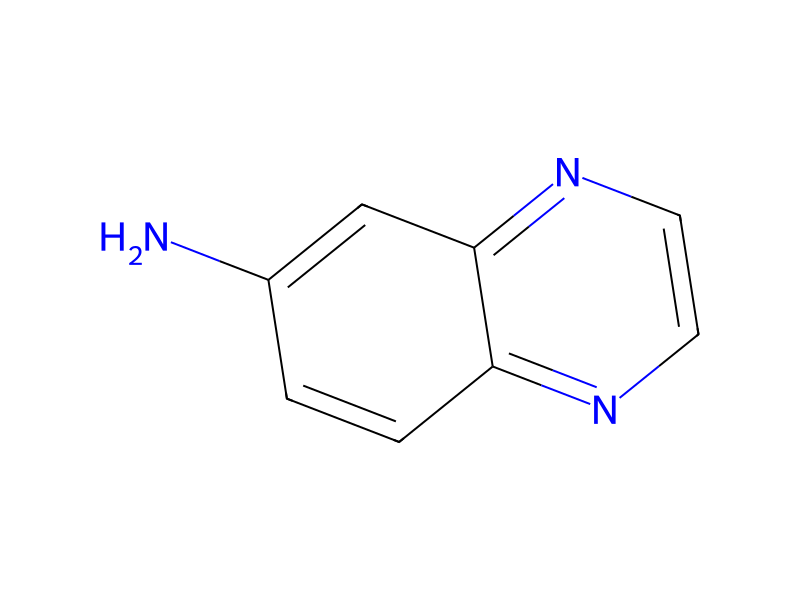
In analogy to the method described in Example 2, 250 mg (2.57 mmol) of 3-quinuclidinecarbonyl chloride, 461 mg (3.57 mmol) of N,N-diisopropylethylamine, catalytic amounts of DMAP (approx. 1 mg) and 173 mg (1.19 mmol) of 6-quinoxalinylamine are reacted.
Workup
- customare reacted
Sources & evidence
- ORD record
- ord-e7b98ee681594d558f71bd129c002042
- Source dataset
- uspto-grants-2007_07
- Patent number
- US07247728B2
Reaction notes
Loading…