Phenylacetic Acid → 1-(5-Chloro-2,4-dihydroxyphenyl)-2-phenylethan-1-one
Reaction equation

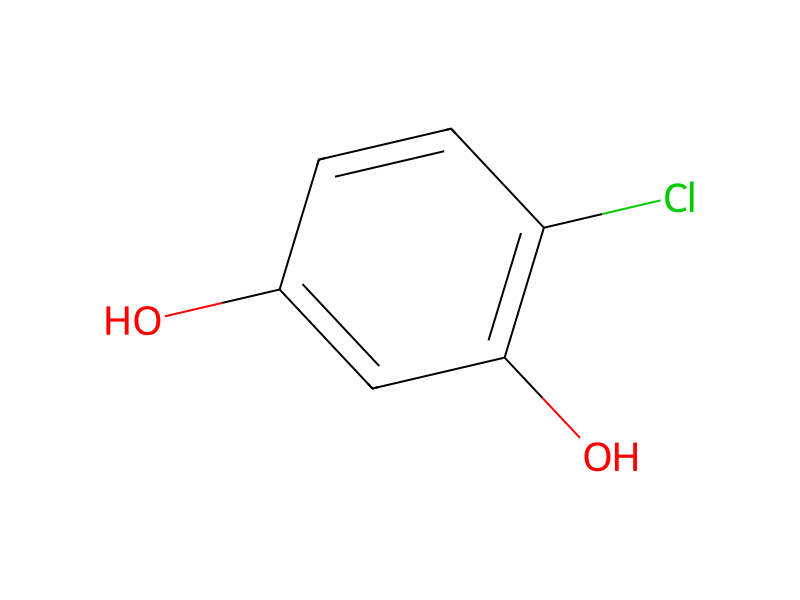
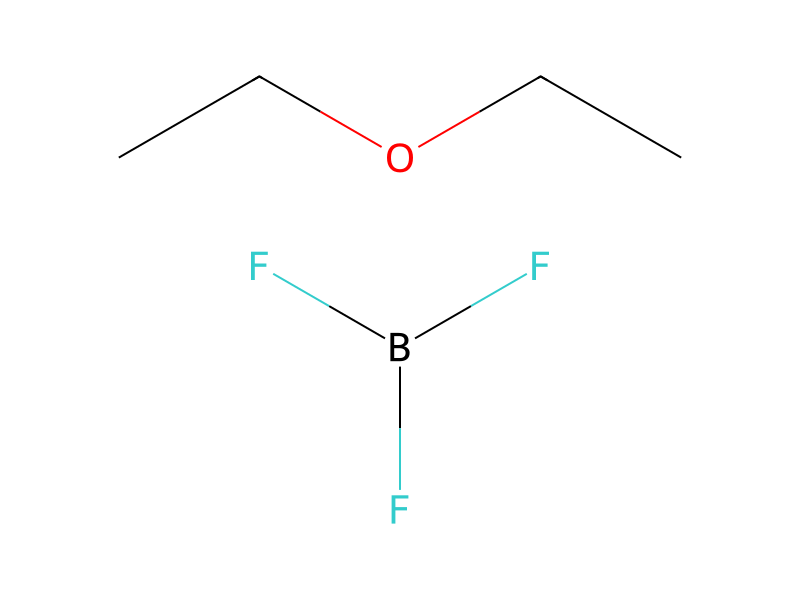
[C:1]1([CH2:7][C:8]([OH:10])=O)[CH:6]=[CH:5][CH:4]=[CH:3][CH:2]=1.[Cl:11][C:12]1[CH:18]=[CH:17][C:15]([OH:16])=[CH:14][C:13]=1[OH:19]>B(F)(F)F.CCOCC>[Cl:11][C:12]1[C:13]([OH:19])=[CH:14][C:15]([OH:16])=[C:17]([C:8](=[O:10])[CH2:7][C:1]2[CH:2]=[CH:3][CH:4]=[CH:5][CH:6]=2)[CH:18]=1Participants
4
Reactant 2

Product 1

Reagents, catalysts & solvents 1
Procedure
This compounds was synthesised in the same manner as described above. Phenylacetic acid (4.71 g, 34.6 mmol), 4-chlororesorcinol (5 g, 34.6 mmol), boron trifloride etherate (30 ml). After standing for two hours an orange precipitate formed. This was purified by flash chromatography to give the required compound as a white solid (7.2 g, 79.3%); Rf 0.9 hexane/ethyl acetate (20/80)].
Workup
- customThis compounds was synthesised in the same manner
- customan orange precipitate formed
- customThis was purified by flash chromatography
Sources & evidence
- ORD record
- ord-c375ab711bb84f338dc6d5cf1111a416
- Source dataset
- uspto-grants-2007_07
- Patent number
- US07247734B2
Reaction notes
Loading…