2-Chloroethanol → HCID 17825646, compound
Reaction equation

[Cl:1][CH2:2][CH2:3][OH:4].[H-].[Na+].Br[CH2:8][C:9](=[O:29])[CH2:10][C:11]([O:13][CH2:14][CH2:15][CH:16]([C:23]1[CH:28]=[CH:27][CH:26]=[CH:25][CH:24]=1)[C:17]1[CH:22]=[CH:21][CH:20]=[CH:19][CH:18]=1)=[O:12].Cl>O1CCCC1>[Cl:1][CH2:2][CH2:3][O:4][CH2:8][C:9](=[O:29])[CH2:10][C:11]([O:13][CH2:14][CH2:15][CH:16]([C:23]1[CH:24]=[CH:25][CH:26]=[CH:27][CH:28]=1)[C:17]1[CH:18]=[CH:19][CH:20]=[CH:21][CH:22]=1)=[O:12]Participants
Reactant 4
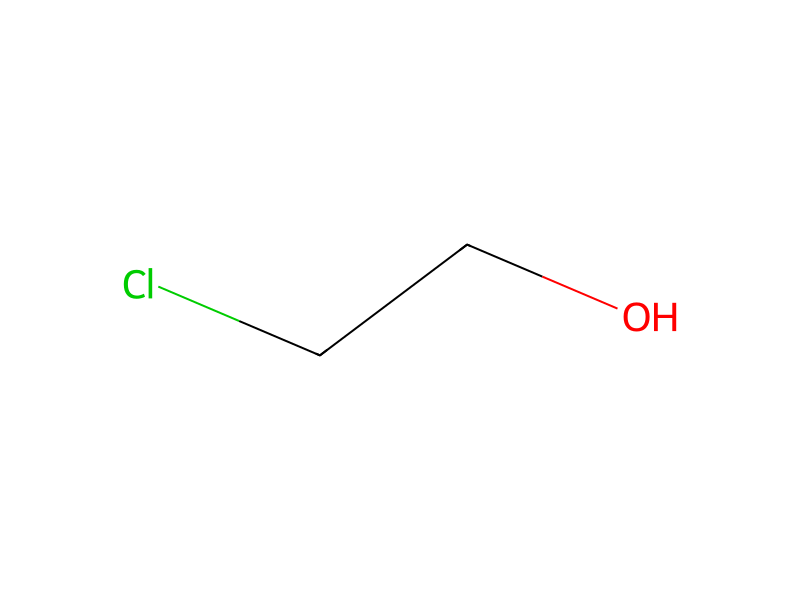



Product 1

Reagents, catalysts & solvents 1

Procedure
A solution of 2.09 g (26 mmol) of 2-chloroethanol in 10 ml of tetrahydrofuran was added dropwise to a suspension of 1.84 g (46 mmol) of sodium hydride (60% oily) in 100 ml of tetrahydrofuran at −50° C., and they were stirred for 2 hours. A solution of 7.51 g (20 mmol) of 3,3-diphenylpropyl 4-bromoacetoacetate in 3 ml of tetrahydrofuran was added dropwise to the reaction mixture at −50° C. The temperature was elevated to room temperature, and they were stirred overnight. A small amount of hydrochloric acid was added to the reaction mixture. After the concentration followed by the fractionation with ethyl acetate and water, the extract was washed with 1 N sodium hydroxide and saturated aqueous sodium chloride solution and then dried over sodium sulfate to obtain the title compound.
Workup
- customwas elevated to room temperature
- stirringthey were stirred overnight
- concentrationAfter the concentration
- washthe extract was washed with 1 N sodium hydroxide and saturated aqueous sodium chloride solution
- dry with materialdried over sodium sulfate
Sources & evidence
- ORD record
- ord-0583deb3c778490fbce212aba9177ea0
- Source dataset
- uspto-grants-2007_07
- Patent number
- US07247645B2
Reaction notes
Loading…