Diisopropylethylamine → HCID 12147066, compound
Reaction equation

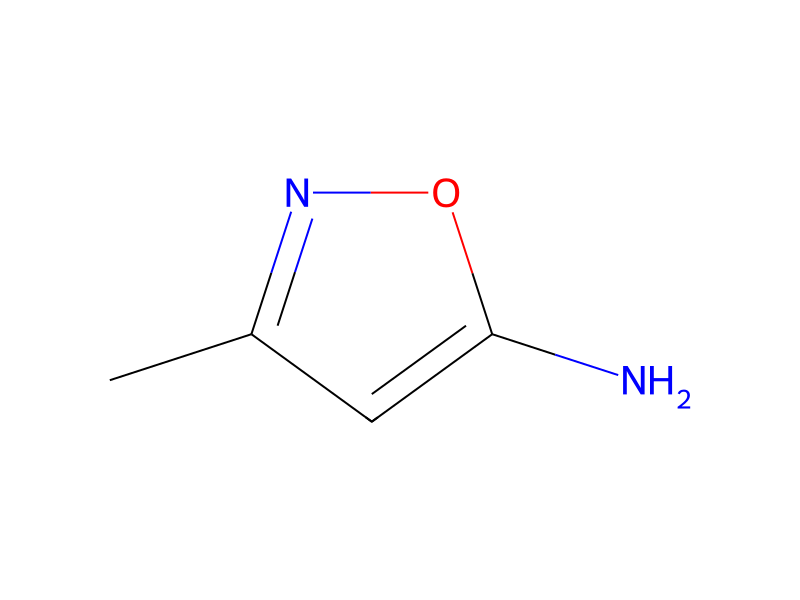
[Cl:1][C:2]1[CH:3]=[C:4]([CH:6]=[CH:7][C:8]=1[O:9][C:10]1[C:19]2[C:14](=[CH:15][C:16]([O:22][CH3:23])=[C:17]([O:20][CH3:21])[CH:18]=2)[N:13]=[CH:12][CH:11]=1)[NH2:5].C(N(CC)C(C)C)(C)C.Cl[C:34](Cl)([O:36]C(=O)OC(Cl)(Cl)Cl)Cl.[CH3:45][C:46]1[CH:50]=[C:49]([NH2:51])[O:48][N:47]=1.C(=O)([O-])O.[Na+]>ClC1C=CC=CC=1>[Cl:1][C:2]1[CH:3]=[C:4]([NH:5][C:34]([NH:51][C:49]2[O:48][N:47]=[C:46]([CH3:45])[CH:50]=2)=[O:36])[CH:6]=[CH:7][C:8]=1[O:9][C:10]1[C:19]2[C:14](=[CH:15][C:16]([O:22][CH3:23])=[C:17]([O:20][CH3:21])[CH:18]=2)[N:13]=[CH:12][CH:11]=1Participants
Reactant 5




Product 1

Reagents, catalysts & solvents 1

Procedure
3-Chloro-4-[(6,7-dimethoxy-4-quinolyl)oxy]aniline (20 mg) was dissolved in chlorobenzene (2 ml) and N,N-diisopropylethylamine (0.2 ml) to prepare a solution. A solution of triphosgene (18 mg) in chlorobenzene (0.5 ml) was then added to the solution, and the mixture was stirred at room temperature for 30 min. Next, 3-methyl-5-isoxazolamine (12 mg) was added thereto, and the mixture was further stirred at 110° C. overnight. The reaction solution was developed through diatomaceous earth impregnated with a saturated aqueous sodium hydrogencarbonate solution, followed by extraction with chloroform. The solvent in the extract was removed by distillation. The residue was purified by HPLC using chloroform/methanol for development to give the title compound (5 mg, yield 18%).
Workup
- stirringthe mixture was further stirred at 110° C. overnight
- extractionfollowed by extraction with chloroform
- customThe solvent in the extract was removed by distillation
- customThe residue was purified by HPLC
Sources & evidence
- ORD record
- ord-019b89406332499faee67f4b5accd196
- Source dataset
- uspto-grants-2007_05
- Patent number
- US07211587B2
Reaction notes
Loading…