Hydrogen Peroxide → HCID 86602486, compound
Reaction equation

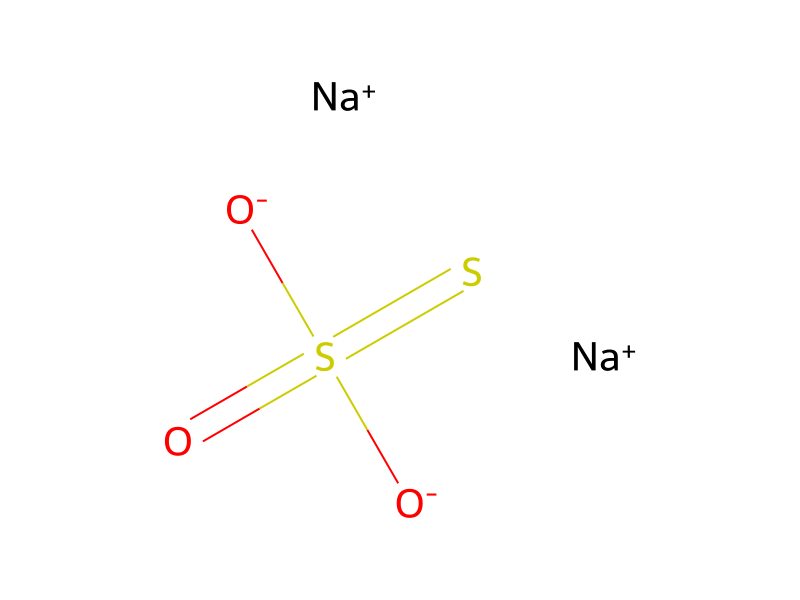
[F:1][C:2]1[CH:7]=[CH:6][C:5]([N:8]2[CH2:12][CH:11]=[CH:10][CH2:9]2)=[CH:4][CH:3]=1.C(=O)([O-])[OH:14].[K+].OO.S([O-])([O-])(=O)=S.[Na+].[Na+]>C(OCC)(=O)C.C(#N)C.CO>[F:1][C:2]1[CH:3]=[CH:4][C:5]([N:8]2[CH2:12][CH:11]3[CH:10]([O:14]3)[CH2:9]2)=[CH:6][CH:7]=1Participants






Procedure
To a methanol (5 mL) solution of 1-(4-fluorophenyl)-2,5-dihydro-1H-pyrrole (300 mg) synthesized according to the method described in The Journal of Organic Chemistry vol. 25, p. 2230, 1960, acetonitrile (0.8 mL), potassium hydrogen carbonate (221 mg) and 20% hydrogen peroxide (0.8 mL) were added one by one, and the reaction solution was agitated at room temperature for 10 hours. Ethyl acetate and saturated sodium thiosulfate solution were added to the reaction solution, and the organic layer was partitioned. After the obtained organic layer was washed with a saturated sodium bicarbonate water, it was dried over anhydrous magnesium sulfate and concentrated under reduced pressure. 75 mg of the title compound was obtained by purifying the residue by silica gel chromatography (heptane: elution solvent; ethyl acetate=3:1). The physical properties of the compound are as follows.
Workup
- customthe organic layer was partitioned
- washAfter the obtained organic layer was washed with a saturated sodium bicarbonate water, it
- dry with materialwas dried over anhydrous magnesium sulfate
- concentrationconcentrated under reduced pressure
Sources & evidence
- ORD record
- ord-6ff36976e3ac43bd866a901e921bd703
- Source dataset
- uspto-grants-2011_02
- Patent number
- US07880009B2
Reaction notes
Loading…