Triethylamine → HCID 86751206, compound
Reaction equation

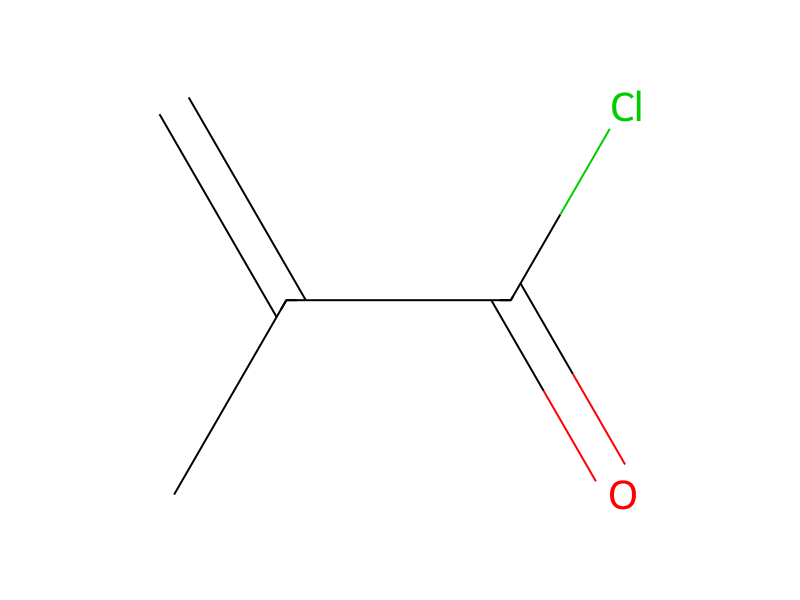
[OH:1][CH2:2][CH2:3][NH:4][C:5](=[O:9])[C:6]([OH:8])=[O:7].[C:10](Cl)(=[O:14])[C:11]([CH3:13])=[CH2:12].[C:16]([O-:21])(=[O:20])C(C)=C.C([O-])(=O)CCCCCCCCC[CH2:32][CH3:33].C([O-])(=O)CCCCCCCCCCC.C([Sn+2]CCCC)CCC.C([N:61](CC)CC)C>>[C:10]([O:1][CH2:2][CH2:3][N:4]([CH2:32][CH2:33][O:21][C:16](=[O:20])[NH2:61])[C:5](=[O:9])[C:6]([OH:8])=[O:7])(=[O:14])[C:11]([CH3:13])=[CH2:12]Participants
6



Procedure
In example 1, when the reaction of a triethylamine salt of 2-hydroxyethyloxamic acid with methacrylic acid chloride was performed, 7.8 g (0.05 moles) of isocyanatethyl methacrylate were used instead of methacrylic acid chloride, TEA was not used, and 0.01 g of di-n-butyltin dilaurate (hereinafter, referred to as DBTL) was used as a reaction catalyst. Except the forementioned, the same procedure as for example 1 was carried out to get methacryloyloxyethyl carbamoyloxyethyloxamic acid. ##STR19##
Sources & evidence
- ORD record
- ord-4f3191bf29dc4609b27fedf8b4a99537
- Source dataset
- uspto-grants-1997_09
- Patent number
- US05663262
Reaction notes
Loading…