Hydrogen Bromide → HCID 14155063, compound
Reaction equation

N[C:2]1[C:3]([CH2:20][CH3:21])=[C:4]([N:10]2[C:14]([C:15]([O:17][CH2:18][CH3:19])=[O:16])=[CH:13][N:12]=[CH:11]2)[C:5]([CH2:8][CH3:9])=[CH:6][CH:7]=1.[BrH:22].N([O-])=O.[Na+].N([O-])=O.NC(N)=O>O.[Cu](Br)Br.C(O)(=O)C>[Br:22][C:2]1[C:3]([CH2:20][CH3:21])=[C:4]([N:10]2[C:14]([C:15]([O:17][CH2:18][CH3:19])=[O:16])=[CH:13][N:12]=[CH:11]2)[C:5]([CH2:8][CH3:9])=[CH:6][CH:7]=1Participants

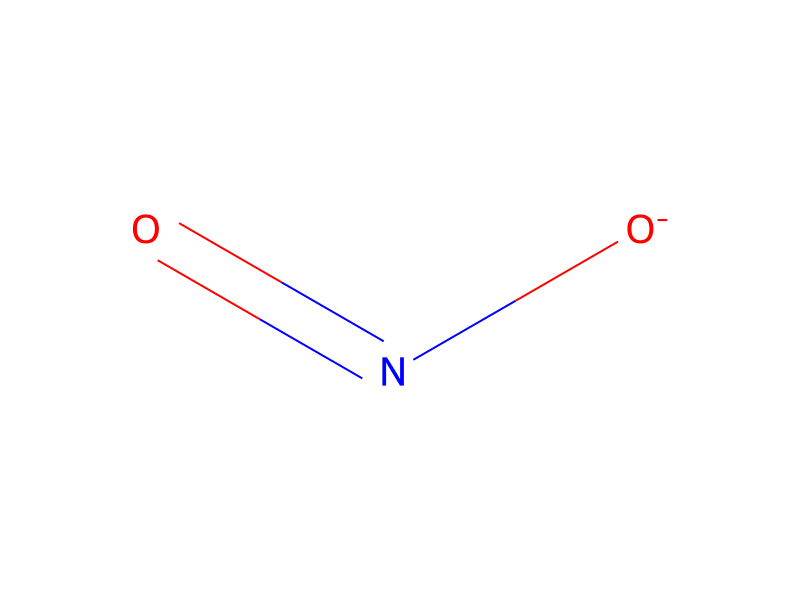







Conditions
- Temperature
- 0 °C
Procedure
20 g (0.07 mol) of ethyl 1-(3-amino-2,6-diethylphenyl)imidazole-5-carboxylate were added to a mixture of 30 ml of concentrated hydrobromic acid, 30 ml of glacial acetic acid and 30 ml of water, the mixture was cooled to 0° C., and a solution of 12.0 g (0.17 mol) of sodium nitrite in 15 ml of water was added dropwise at this temperature. After 30 minutes at 0° C., the excess nitrite was decomposed using urea, and the solution was added dropwise at 0° C. to a copper bromide solution (prepared by conventional processes from 24.9 g of copper sulfate, 15.5 g of sodium bromide, 6.3 g of sodium sulfite, 80 ml of water and 40 ml of concentrated hydrobromic acid). The reaction mixture was allowed to warm to room temperature and was neutralized, the product was extracted with methylene chloride, and the organic phase was washed with water, dried over sodium sulfate and evaporated. After chromatographic purification, 17.4 g (71% of theory) of ethyl 1-(3-bromo-2,6-diethylphenyl)-imidazole-5-carboxylate were obtained as a pale yellow oil. Identification was effected by 1H NMR spectroscopy.
Workup
- temperatureto warm to room temperature
- extractionthe product was extracted with methylene chloride
- washthe organic phase was washed with water
- dry with materialdried over sodium sulfate
- customevaporated
- customAfter chromatographic purification
Sources & evidence
- ORD record
- ord-e9937f6a3932472bbdf0f5cc029fa0c6
- Source dataset
- uspto-grants-1989_02
- Patent number
- US04808213
Reaction notes
Loading…