Triethylamine hydrochloride → 6-Chloro-3-phenyl[1,2,4]triazolo[4,3-b]pyridazine
Reaction equation

[Cl:1][C:2]1[N:3]=[N:4][C:5](Cl)=[CH:6][CH:7]=1.[C:9]([NH:17][NH2:18])(=O)[C:10]1[CH:15]=[CH:14][CH:13]=[CH:12][CH:11]=1.Cl.C(N(CC)CC)C>C1(C)C(C)=CC=CC=1>[Cl:1][C:2]1[CH:7]=[CH:6][C:5]2[N:4]([C:9]([C:10]3[CH:15]=[CH:14][CH:13]=[CH:12][CH:11]=3)=[N:17][N:18]=2)[N:3]=1Participants
5
Reactant 3
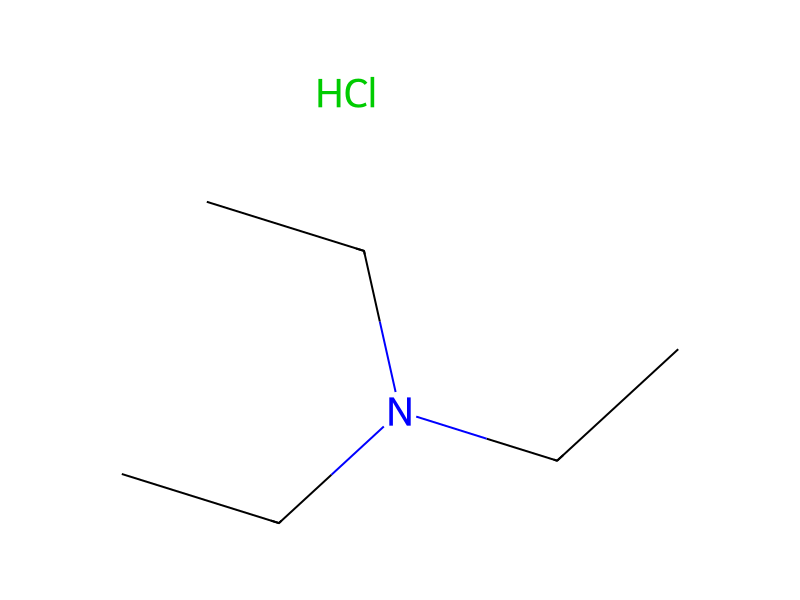

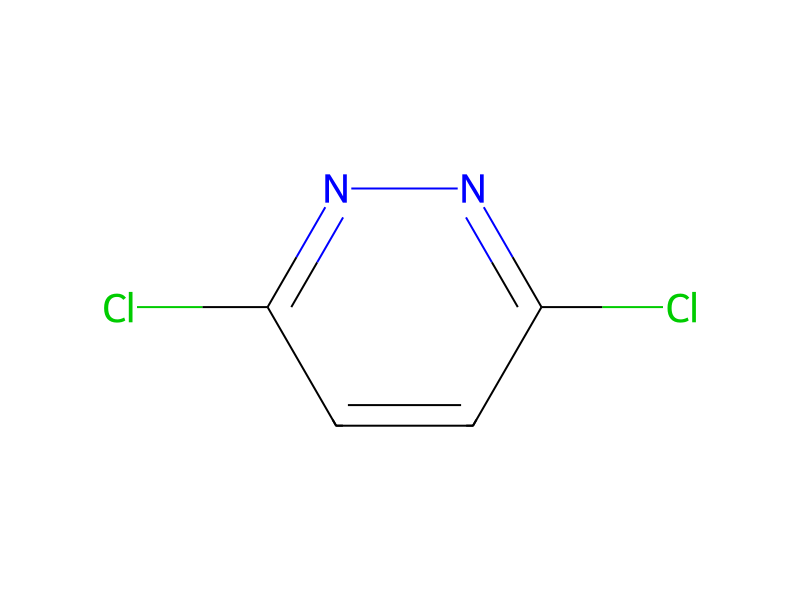
Product 1

Reagents, catalysts & solvents 1

Procedure
3,6-Dichloropyridazine (20 g, 134 mmol) was suspended in xylene (200 ml) with benzoylhydrazine (20.1 g, 1.1 mol eq) and triethylamine hydrochloride (20.3 g, 1.1 mol eq) and the reaction mixture was heated under reflux for 2 hours. The solvent was removed under high vacuum and the residue was purified by chromatography on silica gel using 1% methanol in dichloromethane as eluent to give the required product (17.1 g mp=199° C.). 1H NMR (250 MHz, CDCl3) δ7.16 (1 H, d, J=9.7 Hz), 7.53-7.61 (3 H, m), 8.16 (1 H, d, J=9.7 Hz), 8.44-8.50 (2 H, m); MS (ES+) m/e 231 [MH]+.
Workup
- temperaturethe reaction mixture was heated
- temperatureunder reflux for 2 hours
- customThe solvent was removed under high vacuum
- customthe residue was purified by chromatography on silica gel using 1% methanol in dichloromethane as eluent
Sources & evidence
- ORD record
- ord-bface3e019c54452912727664681f0b6
- Source dataset
- uspto-grants-2001_07
- Patent number
- US06255305B1
Reaction notes
Loading…