Diethyl Ether → 4,4'-Dimethylbenzhydrol
Reaction equation

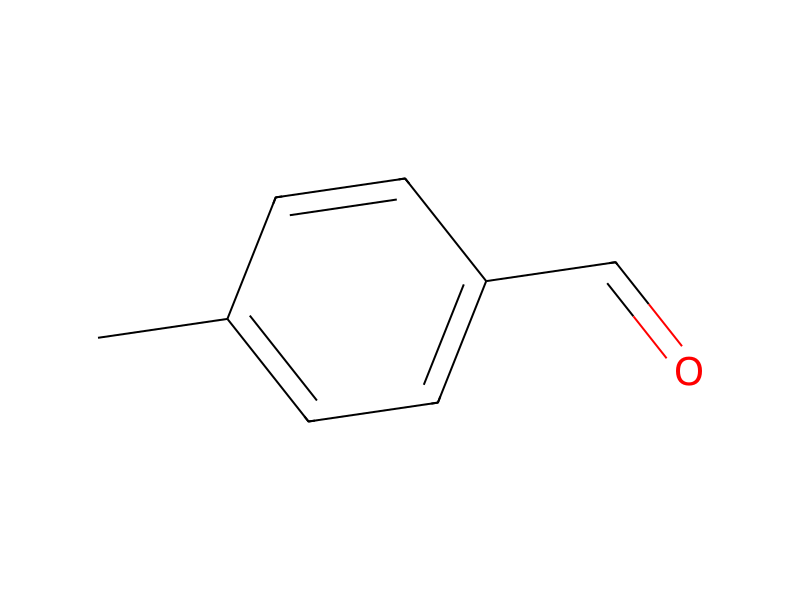
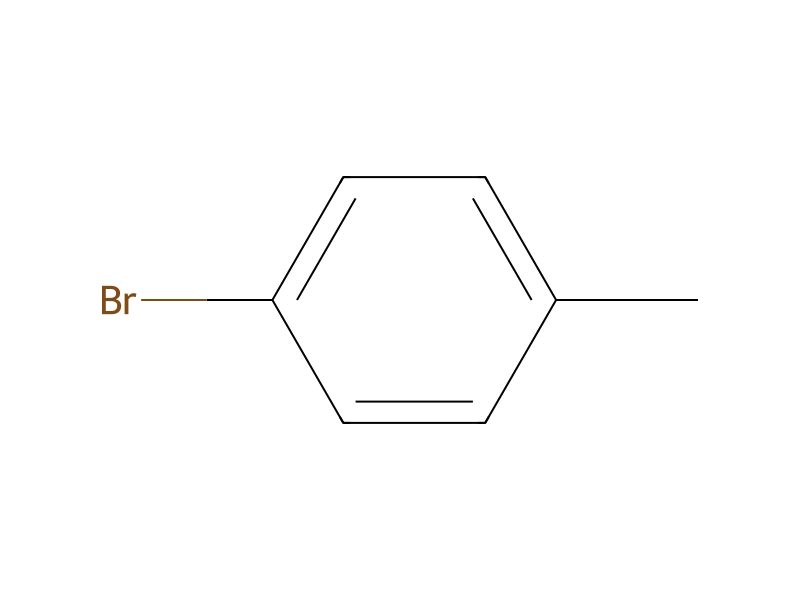
Br[C:2]1[CH:7]=[CH:6][C:5]([CH3:8])=[CH:4][CH:3]=1.CCOCC.C(OC(C)C)(C)C.[C:21]1([CH3:29])[CH:26]=[CH:25][C:24]([CH:27]=[O:28])=[CH:23][CH:22]=1>O1CCCC1.O1CCOCC1>[CH3:29][C:21]1[CH:26]=[CH:25][C:24]([CH:27]([OH:28])[C:2]2[CH:7]=[CH:6][C:5]([CH3:8])=[CH:4][CH:3]=2)=[CH:23][CH:22]=1Participants
Reactant 4


Product 1

Reagents, catalysts & solvents 2


Procedure
With reference to FIG. 1, the preferred alcohol is synthesized via a Grignard reaction. First, the magnesium salt of 4-bromotoluene, the Grignard reagent, is prepared in an anhydrous non-nucleophilic ether-based solvent. Examples of suitable solvents include, but are not limited to, diethyl ether, diisopropylether, dioxane and tetrahydrofuran. The preferred solvent is tetrahydrofuran. After preparation of the Grignard reagent, para-tolualdehyde was added to the room temperature solution of the magnesium salt at a rate sufficient to create a reflux. A sufficient time was allowed for the addition of the Grignard reagent to the aldehyde derivative, then the reaction was quenched with a proton source. Following work up of the reaction mixture, 4,4′- dimethylbenzhydrol is isolated (compound I).
Workup
- customWith reference to FIG. 1, the preferred alcohol is synthesized via a Grignard reaction
- customthe reaction was quenched with a proton source
Sources & evidence
- ORD record
- ord-b0608888c2bf4a76bdf3b66f8f74281e
- Source dataset
- uspto-grants-2001_07
- Patent number
- US06265559B1
Reaction notes
Loading…