3,4-dihydro-2H-pyran → 2-[(2-Bromophenyl)methoxy]oxane
Reaction equation

[Br:1][C:2]1[CH:9]=[CH:8][CH:7]=[CH:6][C:3]=1[CH2:4][OH:5].[O:10]1[CH:15]=[CH:14][CH2:13][CH2:12][CH2:11]1.C(=O)(O)[O-].[Na+]>ClCCl.C1(C)C=CC(S([O-])(=O)=O)=CC=1.[NH+]1C=CC=CC=1>[Br:1][C:2]1[CH:9]=[CH:8][CH:7]=[CH:6][C:3]=1[CH2:4][O:5][CH:11]1[CH2:12][CH2:13][CH2:14][CH2:15][O:10]1Participants
6
Reactant 3

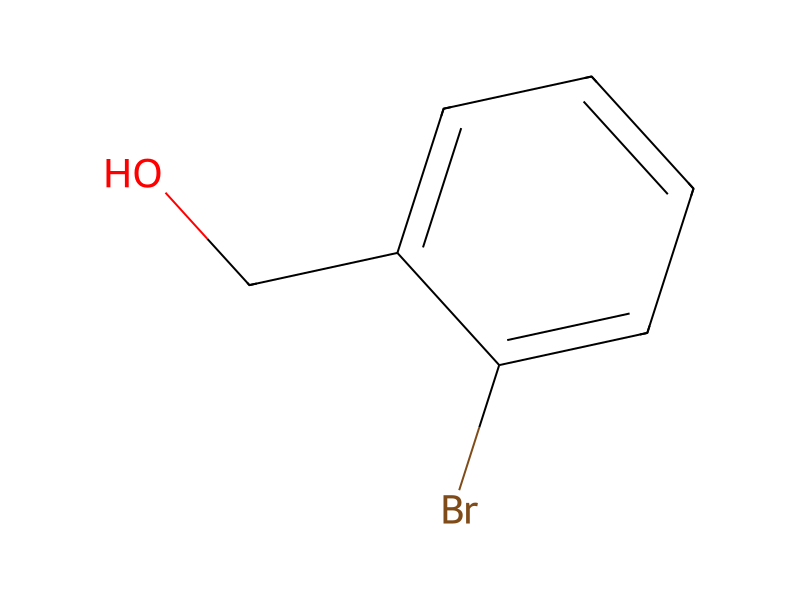

Product 1

Reagents, catalysts & solvents 2
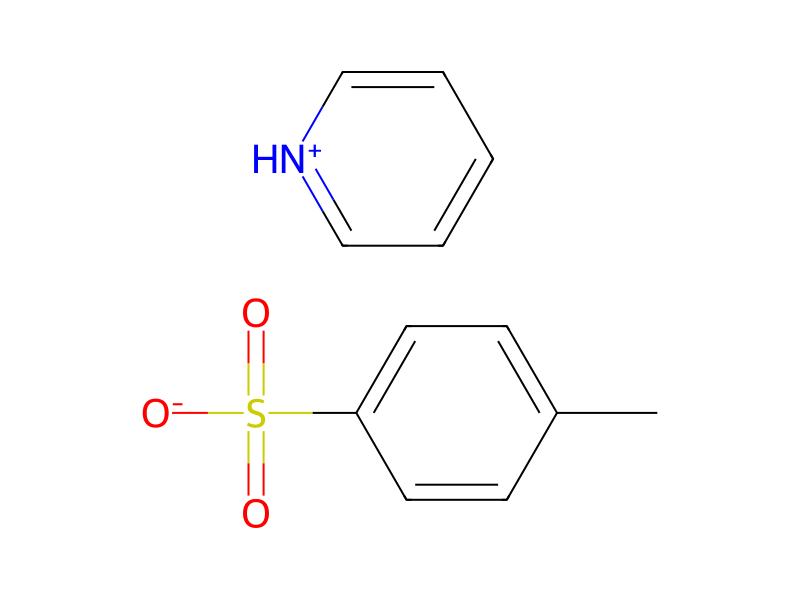

Procedure
Pyridinium p-toluenesulfonate (0.30 g, 0.0012 mol) was added to a solution of 2-bromobenzylalcohol (25 g, 0.134 mol) in dichloromethane (100 ml), and the mixture was stirred at room temperature-3,4-Dihydro-2H-pyran (16.86 g, 0.20 mol) was added thereto. The mixture was stirred at room temperature for 2 hours. Then, saturated aqueous sodium bicarbonate solution (200 ml) was added, and the mixture was extracted with dichloromethane (200 ml). After drying over anhydrous magnesium sulfate, the solvent was evaporated to give the desired 1-bromo-2-(2-tetrahydropyranyloxymethyl)-benzene (36.00 g, yield: 99.3%) as an oil.
Workup
- additionwas added
- extractionthe mixture was extracted with dichloromethane (200 ml)
- dry with materialAfter drying over anhydrous magnesium sulfate
- customthe solvent was evaporated
Sources & evidence
- ORD record
- ord-1f73a6f5f698437e86824db891f1e1dc
- Source dataset
- uspto-grants-2001_07
- Patent number
- US06268312B1
Reaction notes
Loading…