Sulfuric Acid → N,N'-Diphenyl-P-Phenylenediamine
Reaction equation

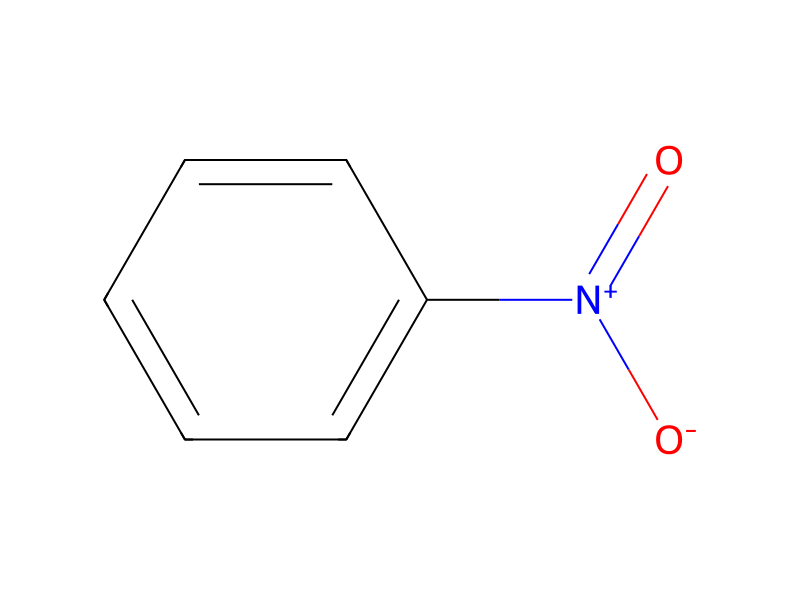
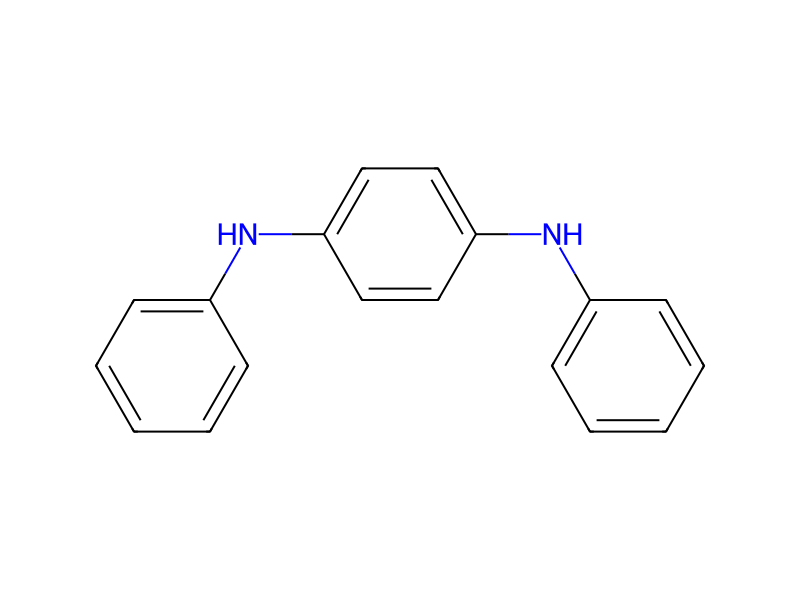
[CH:1]1[CH:6]=[CH:5][C:4]([NH:7][C:8]2[CH:13]=[CH:12][C:11]([NH2:14])=[CH:10][CH:9]=2)=[CH:3][CH:2]=1.[C:15]1(=O)[CH2:20][CH2:19][CH2:18][CH2:17][CH2:16]1.[N+](C1C=CC=CC=1)([O-])=O.S(=O)(=O)(O)O>C1(C)C(C)=CC=CC=1.[Pd]>[CH:1]1[CH:6]=[CH:5][C:4]([NH:7][C:8]2[CH:13]=[CH:12][C:11]([NH:14][C:15]3[CH:16]=[CH:17][CH:18]=[CH:19][CH:20]=3)=[CH:10][CH:9]=2)=[CH:3][CH:2]=1Participants
7
Reactant 4



Product 1
Reagents, catalysts & solvents 2


Procedure
To a 500 ml, 3-necked round bottom flask were added 92 g (500 mmole) p-aminodiphenylamine, 61 ml (600 mmole) cyclohexanone, 82 ml (800 mmole) nitrobenzene, 120 ml xylene solvent and 1.0 g of 5% palladium on carbon catalyst (0.05 g Pd). Using essentially the procedure of Example 1 the reaction was (A) carried out without acid and then again (B) in the presence of 3 millimoles of sulfuric acid. Reaction (B) provided about 40% (mole) more yield of DPPD over reaction (A) after 7 hours at reflux.
Sources & evidence
- ORD record
- ord-e29eb6eaea414de784d8befe1f0421d6
- Source dataset
- uspto-grants-1984_02
- Patent number
- US04431841
Reaction notes
Loading…