Hydrochloric Acid → Ethyl 3-fluoro-4-(hexadecylamino)benzoate
Reaction equation

[F:1][C:2]1[CH:3]=[C:4]([CH:10]=[CH:11][C:12]=1[NH:13][C:14](=O)[CH2:15][CH2:16][CH2:17][CH2:18][CH2:19][CH2:20][CH2:21][CH2:22][CH2:23][CH2:24][CH2:25][CH2:26][CH2:27][CH2:28][CH3:29])[C:5]([O:7][CH2:8][CH3:9])=[O:6].B.Cl>O1CCCC1>[F:1][C:2]1[CH:3]=[C:4]([CH:10]=[CH:11][C:12]=1[NH:13][CH2:14][CH2:15][CH2:16][CH2:17][CH2:18][CH2:19][CH2:20][CH2:21][CH2:22][CH2:23][CH2:24][CH2:25][CH2:26][CH2:27][CH2:28][CH3:29])[C:5]([O:7][CH2:8][CH3:9])=[O:6]Participants
5
Reactant 3

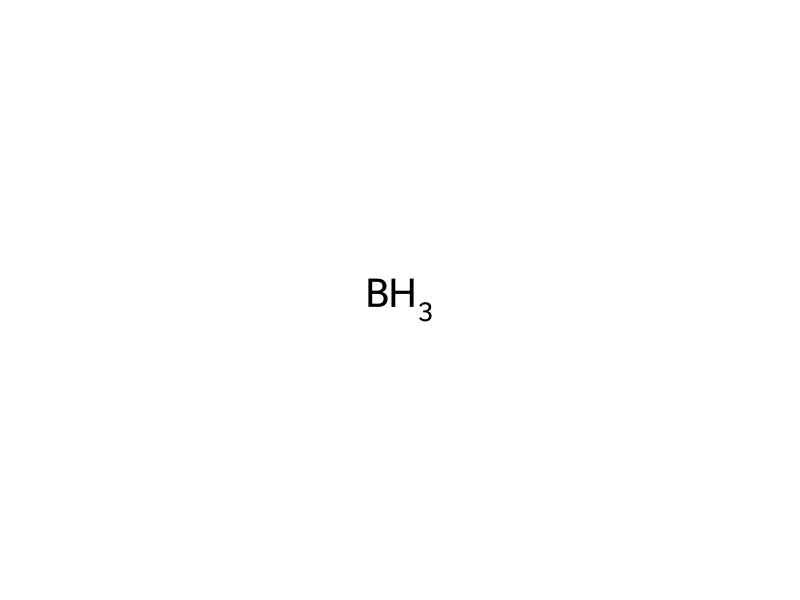

Product 1

Reagents, catalysts & solvents 1

Procedure
A solution of 5 g of ethyl 3-fluoro-4-(hexadecanoylamino)benzoate in 50 ml of tetrahydrofuran is slowly added with stirring to 13 ml of 1 M borane in tetrahydrofuran. The resulting solution is then poured into 50 ml of 10% aqueous hydrochloric acid and the resulting mixture is filtered. The residue is crystallized from acetonitrile to yield ethyl 3-fluoro-4-(hexadecylamino)benzoate as white crystals.
Workup
- filtrationthe resulting mixture is filtered
- customThe residue is crystallized from acetonitrile
Sources & evidence
- ORD record
- ord-b3195ad09bd54867a17a8a6dd8d6722d
- Source dataset
- uspto-grants-1981_01
- Patent number
- US04243609
Reaction notes
Loading…