1-Bromo-4-fluorobenzene → HCID 22719712, compound
Reaction equation

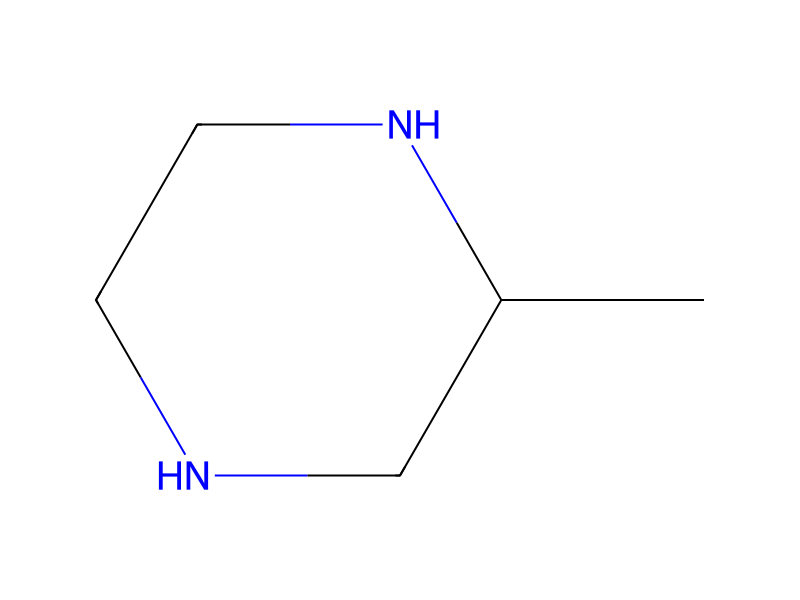
CC(C)([O-])C.[Na+].[F:7][C:8]1[CH:13]=[CH:12][C:11](Br)=[CH:10][CH:9]=1.[CH3:15][CH:16]1[CH2:21][NH:20][CH2:19][CH2:18][NH:17]1>C1(C)C=CC=CC=1.C([O-])(=O)C.[Pd+2].C([O-])(=O)C>[CH3:15][CH:16]1[CH2:21][N:20]([C:11]2[CH:12]=[CH:13][C:8]([F:7])=[CH:9][CH:10]=2)[CH2:19][CH2:18][NH:17]1Participants
Reactant 3


Product 1

Reagents, catalysts & solvents 2


Conditions
- Temperature
- 110 °C
Procedure
Sodium-t-butoxide (4.1 g) was added to a solution of tir-tolylphosphine (0.638 g) and palladium acetate (0.319 g ) in toluene (250. mL) under argon and the mixture was stirred for 20 minutes. 4-Fluoro-bromobenzene (5 g) and 2-methylpiperazine (2.85 g) were added and the mixture was heated at 110° C. for 7 hours, then allowed to cool to ambient temperature and keep at this temperature for 20 hours. The reaction mixture was filtered through Celite®, the filter cake was washed twice with dichloromethane (2×25 mL) and the filtrate was evaporated to dryness. The residue was chromatographed on silica eluting initially with dichloromethane and then with a mixture of dichloromethane, methanol and ammonium hydroxide (100:5:1) to give 2-methyl-4(4-fluorophenyl)-piperazine, 2.5 g.
Workup
- temperatureto cool to ambient temperature
- waitkeep at this temperature for 20 hours
- filtrationThe reaction mixture was filtered through Celite®
- washthe filter cake was washed twice with dichloromethane (2×25 mL)
- customthe filtrate was evaporated to dryness
- customThe residue was chromatographed on silica eluting initially with dichloromethane
- additionwith a mixture of dichloromethane, methanol and ammonium hydroxide (100:5:1)
Sources & evidence
- ORD record
- ord-cad920bc4f0246519ea88dd4db76856a
- Source dataset
- uspto-grants-2008_03
- Patent number
- US07342020B2
Reaction notes
Loading…