Acetic Anhydride → 3-(4-Bromophenyl)-2-(2,4-dichlorophenyl)acrylic acid
Reaction equation

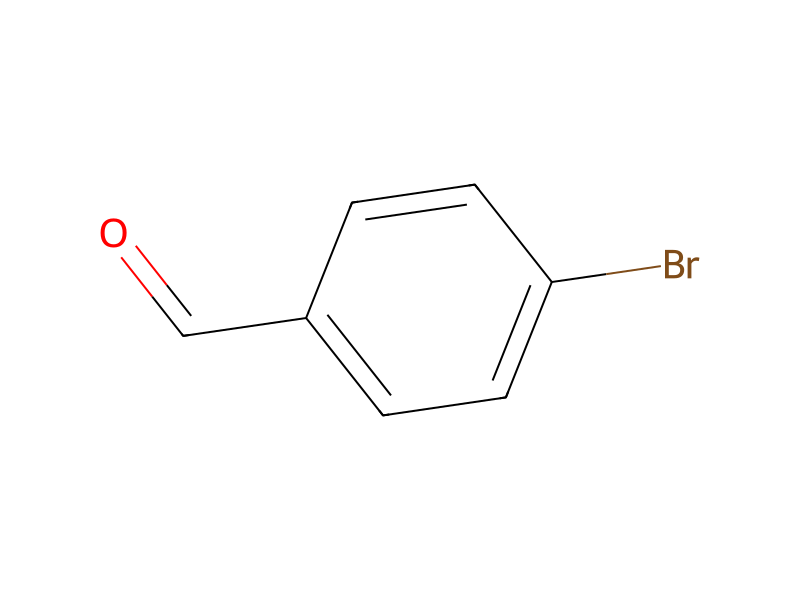
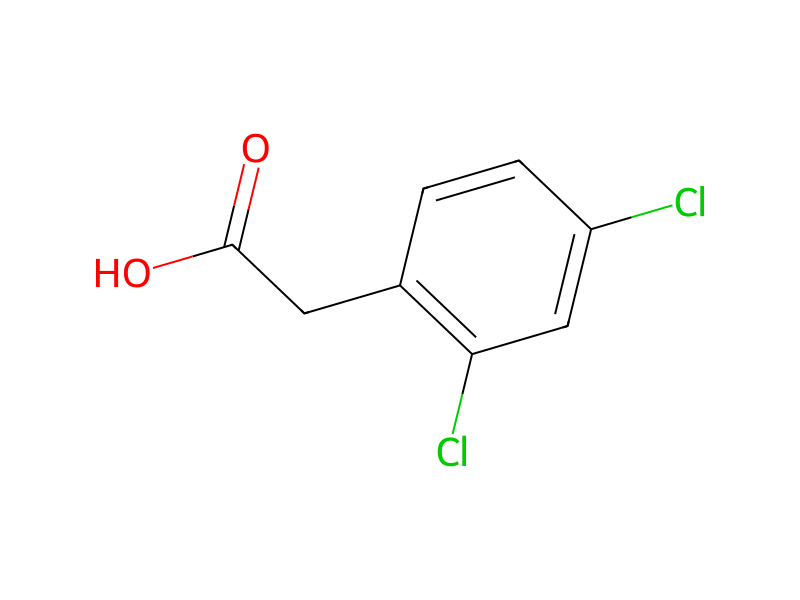
[Br:1][C:2]1[CH:9]=[CH:8][C:5]([CH:6]=O)=[CH:4][CH:3]=1.[Cl:10][C:11]1[CH:16]=[C:15]([Cl:17])[CH:14]=[CH:13][C:12]=1[CH2:18][C:19]([OH:21])=[O:20].C(OC(=O)C)(=O)C.C(N(CC)CC)C>C(OCC)(=O)C.O>[Br:1][C:2]1[CH:9]=[CH:8][C:5]([CH:6]=[C:18]([C:12]2[CH:13]=[CH:14][C:15]([Cl:17])=[CH:16][C:11]=2[Cl:10])[C:19]([OH:21])=[O:20])=[CH:4][CH:3]=1Participants
7





Conditions
- Temperature
- 110 °C
Procedure
Part A; To 4-bromobenzaldehyde (25 gram, 0.135 mol) is successively added 2,4-dichlorophenylacetic acid (27.7 gram, 0.135 mol), acetic anhydride (100 mL) and triethylamine (19 mL, 0.136 mol) and the resulting mixture is heated at reflux temperature for 90 minutes. The reaction mixture is cooled to 110° C. and water (100 mL) is slowly added. The resulting mixture is allowed to attain room temperature and ethyl acetate is added. The ethyl acetate layer is twice washed with water, dried over MgSO4, filtered and concentrated in vacuo. The resulting oil is crystallised from diisopropyl ether to give 3-(4-bromophenyl)-2-(2,4-dichlorophenyl)acrylic acid as a white solid (26.55 gram, 53% yield).
Workup
- temperaturethe resulting mixture is heated
- temperatureat reflux temperature for 90 minutes
- customto attain room temperature
- washThe ethyl acetate layer is twice washed with water
- dry with materialdried over MgSO4
- filtrationfiltered
- concentrationconcentrated in vacuo
- customThe resulting oil is crystallised from diisopropyl ether
Sources & evidence
- ORD record
- ord-6e4c371a58204fd68df13f4e828842ed
- Source dataset
- uspto-grants-2008_03
- Patent number
- US07342032B2
Reaction notes
Loading…