Trifluoroacetic acid → HCID 975849, compound
Reaction equation

[Br:1][C:2]1[CH:3]=[CH:4][C:5]([NH2:8])=[N:6][CH:7]=1.[Cl:9][C:10]1[CH:17]=[CH:16][C:13]([CH:14]=O)=[CH:12][CH:11]=1.C([SiH](CC)CC)C.FC(F)(F)C(O)=O>C(#N)C>[Br:1][C:2]1[CH:3]=[CH:4][C:5]([NH:8][CH2:14][C:13]2[CH:16]=[CH:17][C:10]([Cl:9])=[CH:11][CH:12]=2)=[N:6][CH:7]=1Participants
Reactant 4

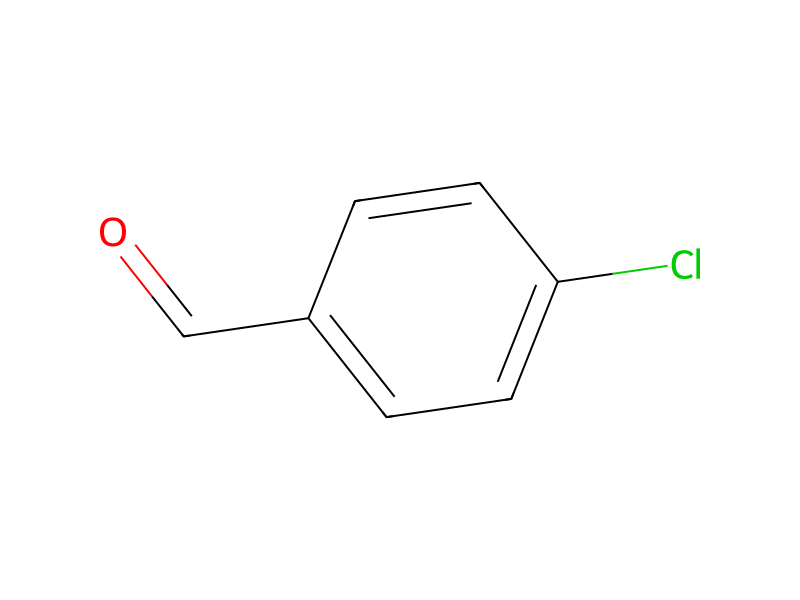


Product 1

Reagents, catalysts & solvents 1

Procedure
5-Bromo-pyridin-2-ylamine (9, 4.0 g, 23 mmol) was dissolved in 100 mL of acetonitrile and 4-chloro-benzaldehyde (10, 3.2 g, 23 mmol) was added. Triethylsilane (11.0 mL, 69 mmol) was added followed by trifluoroacetic acid (5.0 mL, 65 mmol). The reaction was heated to reflux and stirred overnight. The solvent was removed under vacuum and the residue was poured into a solution of 1M potassium carbonate. This was extracted with ethyl acetate and the organic portion was isolated and washed with brine, dried over anhydrous sodium sulfate, filtered and the filtrate concentrated under vacuum. The resulting solid was washed with ether to give the desired compound. The remaining material was purified with silica gel chromatography eluting with a gradient of 0-25% ethyl acetate in hexane. Appropriate fractions were combined and the solvents removed under vacuum to provide additional compound (11, 6.36 g, 92%).
Workup
- temperatureThe reaction was heated
- temperatureto reflux
- customThe solvent was removed under vacuum
- additionthe residue was poured into a solution of 1M potassium carbonate
- extractionThis was extracted with ethyl acetate
- customthe organic portion was isolated
- washwashed with brine
- dry with materialdried over anhydrous sodium sulfate
- filtrationfiltered
- concentrationthe filtrate concentrated under vacuum
- washThe resulting solid was washed with ether
Sources & evidence
- ORD record
- ord-a9080487c97b4739a6b7fd8be3c09803
- Source dataset
- uspto-grants-2014_12
- Patent number
- US08912204B2
Reaction notes
Loading…