3-Pyridinemethanol → HCID 59352161, compound
Reaction equation

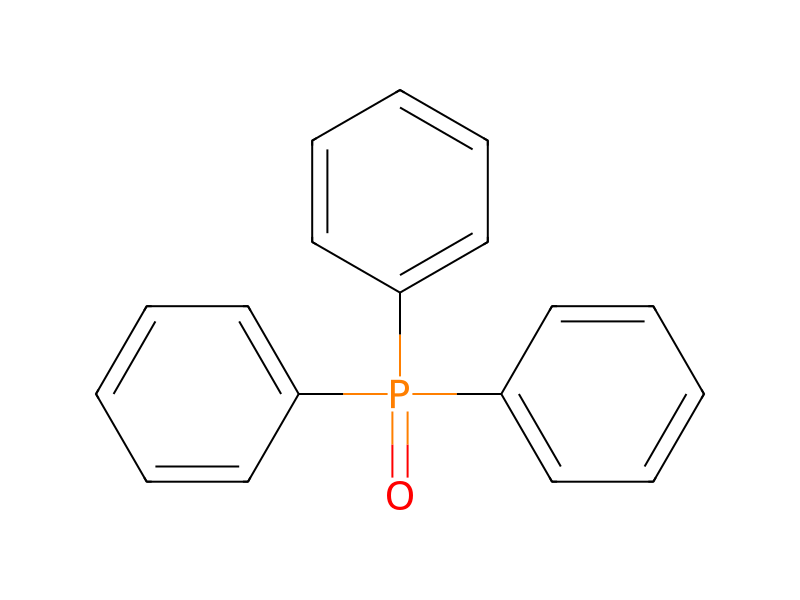
[NH:1]1[C:9]2[C:4](=[CH:5][CH:6]=[CH:7][CH:8]=2)[C:3]2([C:21]3[C:12](=[CH:13][C:14]4[O:19][CH2:18][CH2:17][O:16][C:15]=4[CH:20]=3)[O:11][CH2:10]2)[C:2]1=[O:22].[N:23]1[CH:28]=[CH:27][CH:26]=[C:25]([CH2:29]O)[CH:24]=1.C1(P(C2C=CC=CC=2)C2C=CC=CC=2)C=CC=CC=1.N(C(OCC)=O)=NC(OCC)=O.C1(P(=O)(C2C=CC=CC=2)C2C=CC=CC=2)C=CC=CC=1>O1CCCC1>[N:23]1[CH:28]=[CH:27][CH:26]=[C:25]([CH2:29][N:1]2[C:9]3[C:4](=[CH:5][CH:6]=[CH:7][CH:8]=3)[C:3]3([C:21]4[C:12](=[CH:13][C:14]5[O:19][CH2:18][CH2:17][O:16][C:15]=5[CH:20]=4)[O:11][CH2:10]3)[C:2]2=[O:22])[CH:24]=1Participants
Reactant 5




Product 1

Reagents, catalysts & solvents 1

Procedure
To a mixture of 2,3-dihydrospiro[furo[2,3-g][1,4]benzodioxine-8,3′-indol]-2′(1′H)-one (0.30 g, 1.00 mmol), 3-pyridinemethanol (0.15 mL, 1.50 mmol) and triphenylphosphine (0.36 g, 1.36 mmol) in tetrahydrofuran (7 mL) under nitrogen was slowly added a solution of diethyl azodicarboxylate (0.29 g, 1.67 mmol) in tetrahydrofuran (3 mL). The resulting mixture was stirred at ambient temperature for 21 h. The solvents were removed under reduced pressure, and the residue was taken up into 2 M sodium carbonate (50 mL) and extracted with dichloromethane (2×30 mL). The combined organic solution was dried with sodium sulfate, filtered and concentrated under reduced pressure. The filterate was purified by flash column chromatography with dichloromethane/isopropanol (49:1, increased to 29:1) to give a mixture of the desired product and triphenylphosphine oxide. This material was acidified with 1 M hydrochloric acid (30 mL) and extracted with diethyl ether (3×30 mL). The aqueous solution was made basic with 5 M sodium hydroxide and extracted with dichloromethane (3×30 mL). Once dried with sodium sulfate, the organic solution was concentrated under reduced pressure to afford 1′-(pyridin-3-ylmethyl)-2,3-dihydrospiro[furo[2,3-g][1,4]benzodioxine-8,3′-indol]-2′(1′H)-one (0.22 g, 57%) as a colorless solid: mp 142-143° C. (diethyl ether/hexanes); 1H NMR (300 MHz, CDCl3) δ8.93-8.47 (m, 2H), 7.79 (d, J=7.8 Hz, 1H), 7.45-7.36 (m, 1H), 7.23 (ddd, J=7.8, 7.8, 0.9 Hz, 1H), 7.18 (d, J=7.2 Hz, 1H), 7.05 (dd, J=7.5, 7.5 Hz, 1H), 6.81 (d, J=7.8 Hz, 1H), 6.50 (s, 1H), 6.19 (s, 1H), 5.09 (d, J=15.8 Hz, 1H), 4.924 (d, J=9.0 Hz, 1H), 4.919 (d, J=15.8 Hz, 1H), 4.66 (d, J=9.0 Hz, 1H), 4.22-4.17 (m, 2H), 4.14-4.09 (m, 2H); 13C NMR (75 MHz, CDCl3) δ177.8, 155.4, 148.0, 147.5, 144.9, 141.5, 138.5, 137.0, 132.2, 129.1, 124.3, 124.0, 120.8, 111.5, 109.0, 99.6, 80.2, 64.6, 64.0, 58.1, 41.7; MS (ES+) m/z 386.7 (M+1).
Workup
- customThe solvents were removed under reduced pressure
- extractionextracted with dichloromethane (2×30 mL)
- dry with materialThe combined organic solution was dried with sodium sulfate
- filtrationfiltered
- concentrationconcentrated under reduced pressure
- customThe filterate was purified by flash column chromatography with dichloromethane/isopropanol (49:1, increased to 29:1)
- customto give
Sources & evidence
- ORD record
- ord-fcdf99a29e7e482aa2a0dec96a7034b6
- Source dataset
- uspto-grants-2014_12
- Patent number
- US08916580B2
Reaction notes
Loading…