Hydrochloric Acid → HCID 20289599, compound
Reaction equation

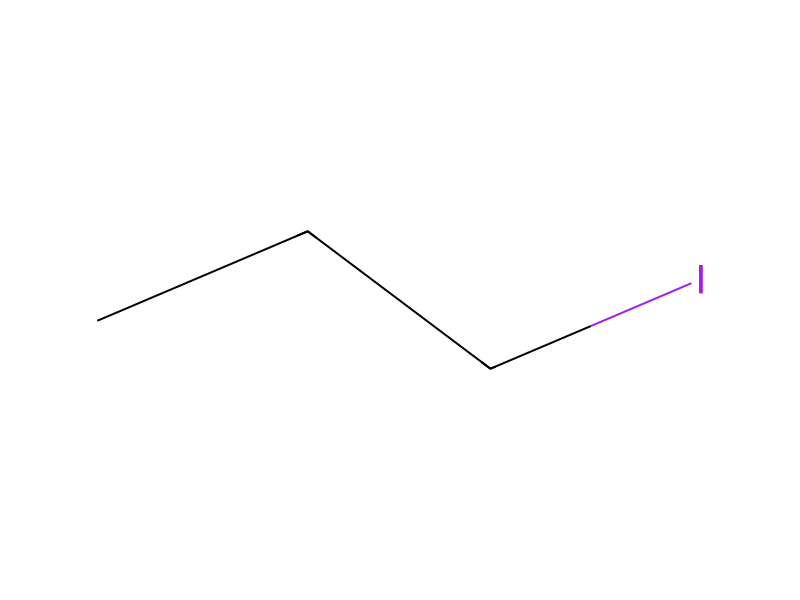
[ClH:1].Cl.[Cl:3][C:4]1[CH:17]=[CH:16][C:7]2[N:8]3[CH2:15][CH2:14][NH:13][CH2:12][CH2:11][C:9]3=[N:10][C:6]=2[CH:5]=1.I[CH2:19][CH2:20][CH3:21].C(=O)([O-])[O-].[Na+].[Na+].Cl.C1(N)C(F)=C(F)C(F)=C(N)C=1F.Cl.Cl>C(O)C>[ClH:3].[ClH:1].[CH2:19]([N:13]1[CH2:12][CH2:11][C:9]2=[N:10][C:6]3[CH:5]=[C:4]([Cl:3])[CH:17]=[CH:16][C:7]=3[N:8]2[CH2:15][CH2:14]1)[CH2:20][CH3:21]Participants
7





Procedure
A solution of 1.1 g. (5 mmole) of 8-chloro-2,3,4,5-tetrahydro-1H-1,4-diazepino[17-a]benzimidazole prepared in Example 1 above, 0.85 g. (5 mmole) 1-iodopropane, and 0.75 g. (7.5 mmole) of sodium carbonate in 100 ml. of 95% ethanol is refluxed 72 hours. After removing the solvent in vacuo, the residue is chromatographed over silica gel, eluting with hexane/chloroform saturated with ammonia (1:4). The product obtained is dissolved in absolute ethanol and acidified with ethanolic hydrochloric acid. The crystals which separate are filtered and dried to afford 0.41 g. (25%) of the dihydrochloride salt: m.p. 271°-274° C.
Workup
- customAfter removing the solvent in vacuo
- customthe residue is chromatographed over silica gel
- washeluting with hexane/chloroform saturated with ammonia (1:4)
- customThe product obtained
- customThe crystals which separate
- filtrationare filtered
- customdried
- customto afford 0.41 g
Sources & evidence
- ORD record
- ord-4b5378c326894e7d9ded0341f3ed1e25
- Source dataset
- uspto-grants-1981_02
- Patent number
- US04252816
Reaction notes
Loading…