Pyridoxal 5'-phosphate → D-Tryptophan
Reaction equation

P([O-])([O-])([O-])=O.[K+].[K+].[K+].[NH2:9][CH:10]([C:21]([OH:23])=[O:22])[CH2:11][C:12]1[C:20]2[C:15](=[CH:16][CH:17]=[CH:18][CH:19]=2)[NH:14][CH:13]=1.CC1C(O)=C(C=O)C(COP(O)(O)=O)=CN=1.N[C@H](C(O)=O)CC1C2C(=CC=CC=2)NC=1>Cl(O)(=O)(=O)=O>[NH2:9][C@@H:10]([C:21]([OH:23])=[O:22])[CH2:11][C:12]1[C:20]2[C:15](=[CH:16][CH:17]=[CH:18][CH:19]=2)[NH:14][CH:13]=1Participants
6
Reactant 4


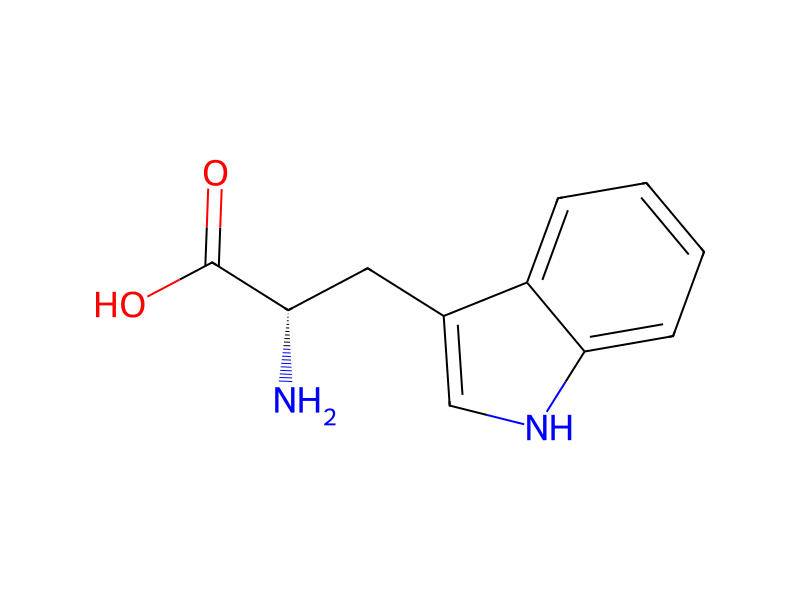

Product 1

Reagents, catalysts & solvents 1
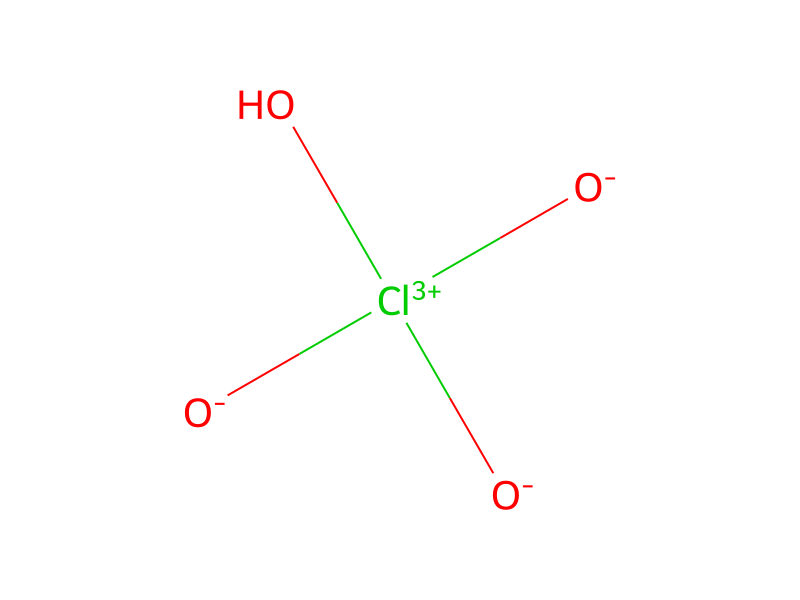
Conditions
- Temperature
- 37 °C
Procedure
To 9 ml of the culture medium obtained in Examples 1, 2 and 3 were added 1 ml of 1 M potassium phosphate buffer (pH 8.0), 0.025 g of D,L-tryptophan, 50 μl of 10 mM pyridoxal 5'-phosphate. The mixture was allowed to react with shaking at 37° C. for 20 hours. The optical purity and amount of tryptophan after the reaction were determined with Crown Pak CR(+) (product of Daicel Chemical Industries, Ltd.) using perchloric acid solution (pH 2.0) as eluent at 40° C. The results of the reaction were shown in Table 1. (In Table 1, data of Cellulomonas sp., Corynebacterium ammoniagenes, Providencia rettgeri, and Serratia grimesii were obtained in this Example.)
Workup
- customTo 9 ml of the culture medium obtained in Examples 1, 2 and 3
- customto react
- customat 40° C
- customThe results of the reaction
Sources & evidence
- ORD record
- ord-2f919ab336d7491fbed534eefc05a926
- Source dataset
- uspto-grants-1999_06
- Patent number
- US05916781
Reaction notes
Loading…