Hydrochloric Acid → HCID 13166911, compound
Reaction equation

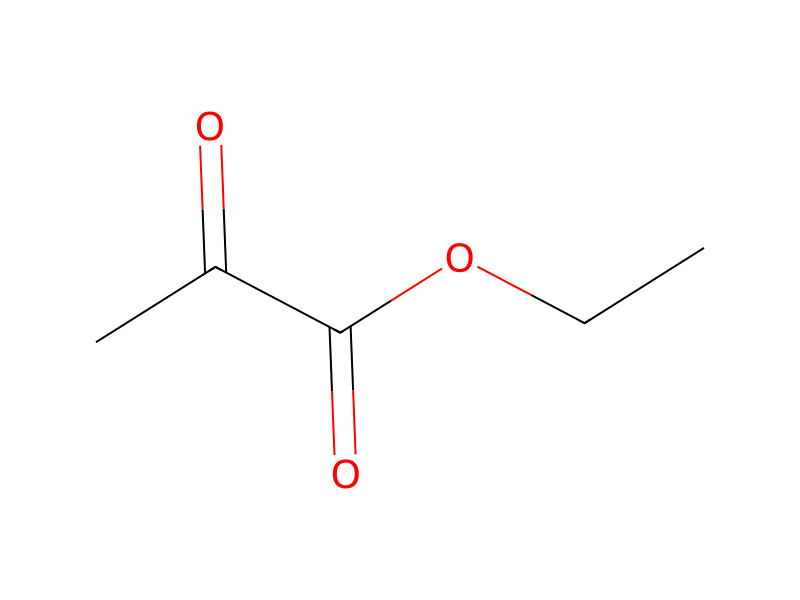
Cl.[NH:2]1[C:10]2[C:5](=[CH:6][CH:7]=[CH:8][CH:9]=2)[CH:4]=[C:3]1[C:11]([O:13][CH2:14][CH3:15])=[O:12].[C:16]([O:21][CH2:22][CH3:23])(=[O:20])[C:17]([CH3:19])=O>C(O)C>[CH2:14]([O:13][C:11]([C:3]1[NH:2][C:10]2[C:5]([C:4]=1[C:17](=[CH2:19])[C:16]([O:21][CH2:22][CH3:23])=[O:20])=[CH:6][CH:7]=[CH:8][CH:9]=2)=[O:12])[CH3:15]Participants
5
Reactant 3


Product 1

Reagents, catalysts & solvents 1

Procedure
An ethanol solution saturated with gaseous hydrochloric acid containing 39.1 g (207 mmol) of ethyl 1H-indole-2-carboxylate and 45.3 ml (410 umol) of ethyl pyruvate is brought to approximately 60° C. for 3 h. The mixture is concentrated under reduced pressure and the residue is taken up in diethyl ether. The organic phase is washed with water and dried over sodium sulphate. The solvent is evaporated under reduced pressure and the residue is crystallized from cyclohexane. 45.4 g (158 mmol) of solid product are obtained, which product is used as is in the following stage.
Workup
- concentrationThe mixture is concentrated under reduced pressure
- washThe organic phase is washed with water
- dry with materialdried over sodium sulphate
- customThe solvent is evaporated under reduced pressure
- customthe residue is crystallized from cyclohexane
Sources & evidence
- ORD record
- ord-d234c0ac69c64765be038c555845ae86
- Source dataset
- uspto-grants-2000_06
- Patent number
- US06075021
Reaction notes
Loading…