1,3-Dibromo-5,5-dimethylhydantoin → HCID 86668439, compound
Reaction equation

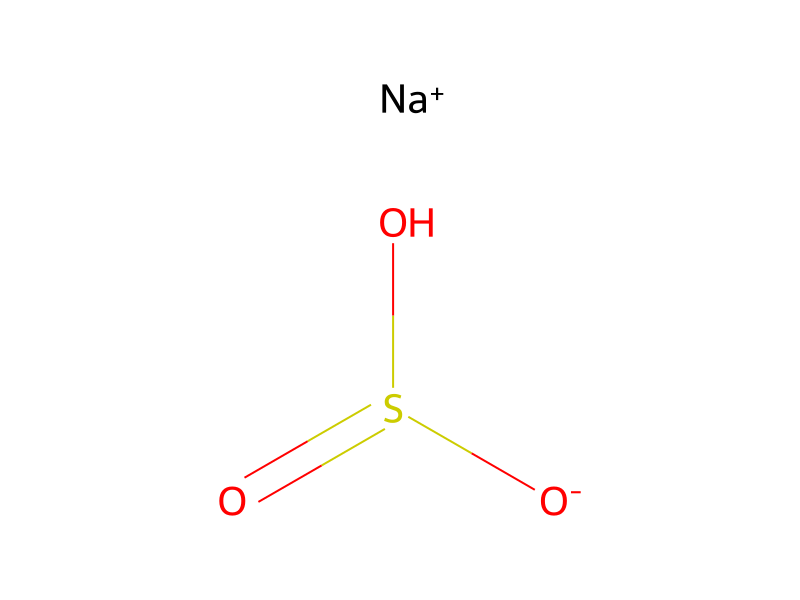
[NH2:1][C:2]1[C:7]([F:8])=[C:6]([Cl:9])[N:5]=[C:4]([C:10]([O:12][CH3:13])=[O:11])[CH:3]=1.[Br:14]N1C(C)(C)C(=O)N(Br)C1=O.OS([O-])=O.[Na+].CCOC(C)=O>ClCCCl>[NH2:1][C:2]1[C:7]([F:8])=[C:6]([Cl:9])[N:5]=[C:4]([C:10]([O:12][CH3:13])=[O:11])[C:3]=1[Br:14]Participants
6





Conditions
- Temperature
- 83 °C
Procedure
Methyl 4-amino-6-chloro-5-fluoropicolinate (1.0 g, 4.9 mmol) was combined with 1,3-dibromo-5,5-dimethylhydantoin (1.7 g, 5.9 mmol) in 1,2-dichloroethane (15 mL) and heated at reflux (83° C.) for 4 h. The cooled mixture was stirred with 10% NaHSO3 solution and EtOAc (30 mL). The organic phase was separated, washed with water (2×20 mL), brine (10 mL), dried (Na2SO4) and concentrated. The residue was purified by silica gel chromatography (5-50% EtOAc-hexane) to give an orange solid (840 mg, 61%): mp 138-139° C.; EIMS m/z 282, 284; 1H NMR (400 MHz, CDCl3) δ 5.09 (s, 2H, NH2), 3.97 (s, 3H, Me); 19F NMR (376 MHz, CDCl3) δ −135.55 (s).
Workup
- temperatureheated
- customThe organic phase was separated
- washwashed with water (2×20 mL), brine (10 mL)
- dry with materialdried (Na2SO4)
- concentrationconcentrated
- customThe residue was purified by silica gel chromatography (5-50% EtOAc-hexane)
Sources & evidence
- ORD record
- ord-c015a575258e47be8d78e6f5cf6f5967
- Source dataset
- uspto-grants-2015_01
- Patent number
- US08927731B2
Reaction notes
Loading…