Potassium Carbonate → HCID 68816406, compound
Reaction equation

C[O:2][C:3](=[O:15])[C:4]1[CH:13]=[C:12]([OH:14])[CH:11]=[C:6]([C:7]([O:9][CH3:10])=[O:8])[CH:5]=1.C(=O)([O-])[O-].[K+].[K+].I[CH2:23][CH2:24][CH3:25].[OH-].[Na+]>CN(C=O)C.CO>[CH3:10][O:9][C:7](=[O:8])[C:6]1[CH:11]=[C:12]([O:14][CH2:23][CH2:24][CH3:25])[CH:13]=[C:4]([C:3]([OH:2])=[O:15])[CH:5]=1Participants
7






Procedure
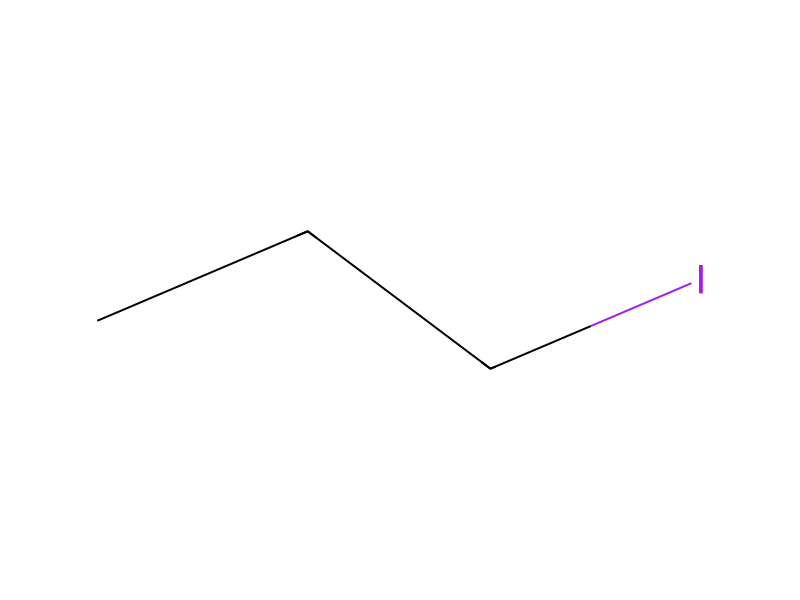
Heat commercially available 5-hydroxy-isophthalic acid dimethyl ester (1.0 g, 4.8 mmol), potassium carbonate (5.25 g, 38 mmol) and iodopropane (1.36 g, 8.0 mmol) in DMF (20 mL) at 70° C. for 8 h. Cool to room temperature, partition between ethyl acetate and 10% aqueous potassium carbonate. Wash the ethyl acetate layer with 1 N lithium chloride, saturated aqueous sodium chloride, dry (magnesium sulfate) and concentrate. Dissolve the residue in acetone (10 mL) and add a solution of NaOH (192 mg, 4.80 mmol) in methanol (2 mL). Stir at room temperature 16 h and concentrate. Partition between diethyl ether and 0.1 N citric acid, dry (magnesium sulfate) and concentrate to give the title compound.
Workup
- custompartition between ethyl acetate and 10% aqueous potassium carbonate
- washWash the ethyl acetate layer with 1 N lithium chloride, saturated aqueous sodium chloride
- dry with materialdry (magnesium sulfate)
- concentrationconcentrate
- dissolutionDissolve the residue in acetone (10 mL)
- concentrationconcentrate
- customPartition between diethyl ether and 0.1 N citric acid
- dry with materialdry (magnesium sulfate)
- concentrationconcentrate
Sources & evidence
- ORD record
- ord-bba55b7534894d598dff76d2455f10b2
- Source dataset
- uspto-grants-2009_11
- Patent number
- US07618978B2
Reaction notes
Loading…