Hydroquinone → (Tetrachloro-1,4-phenylene)bismethylene diacrylate
Reaction equation

[C:1](=[O:4])([O-:3])[O-].[Na+].[Na+].N#N.[C:9]([OH:13])(=[O:12])[CH:10]=[CH2:11].[C:14]1(C=CC(O)=C[CH:16]=1)O.[Cl:22][C:23]1[C:28]([CH2:29]Cl)=[C:27]([Cl:31])[C:26]([Cl:32])=[C:25]([CH2:33]Cl)[C:24]=1[Cl:35]>CN(C)C=O.O>[C:1]([O:3][CH2:29][C:28]1[C:23]([Cl:22])=[C:24]([Cl:35])[C:25]([CH2:33][O:12][C:9](=[O:13])[CH:10]=[CH2:11])=[C:26]([Cl:32])[C:27]=1[Cl:31])(=[O:4])[CH:14]=[CH2:16]Participants
8

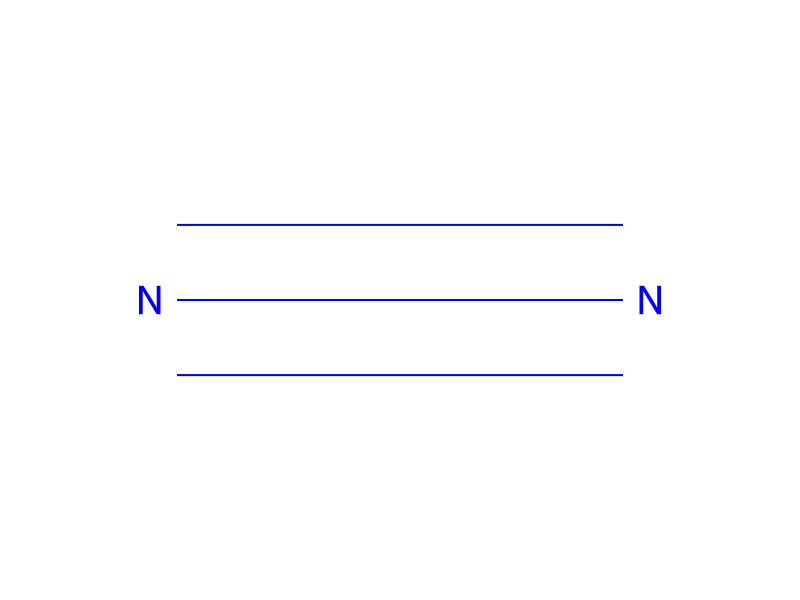






Procedure
14.7 g of sodium carbonate (0.14 mole) was added portion-wise, with stirring, and under a current of N2, to 20.3 g of acrylic acid (0.28 mole) plus 1 g of hydroquinone in 200 ml of dimethylformamide at 60°. After dissolution had taken place, the solution was heated with 41.7 g of tetrachloro-p-xylylene chloride (0.132 mole) for 1 hour at 120° C. Then 700 ml of water was added; the crystallizate was suction filtered, washed free of NaCl and dried.
Workup
- customat 60°
- dissolutionAfter dissolution
- filtrationfiltered
- washwashed free of NaCl
- customdried
Sources & evidence
- ORD record
- ord-8387a69d943f4d7c800d987434f5fd74
- Source dataset
- uspto-grants-1977_11
- Patent number
- US04059618
Reaction notes
Loading…