Hydroquinone → Lauryl acrylate
Reaction equation

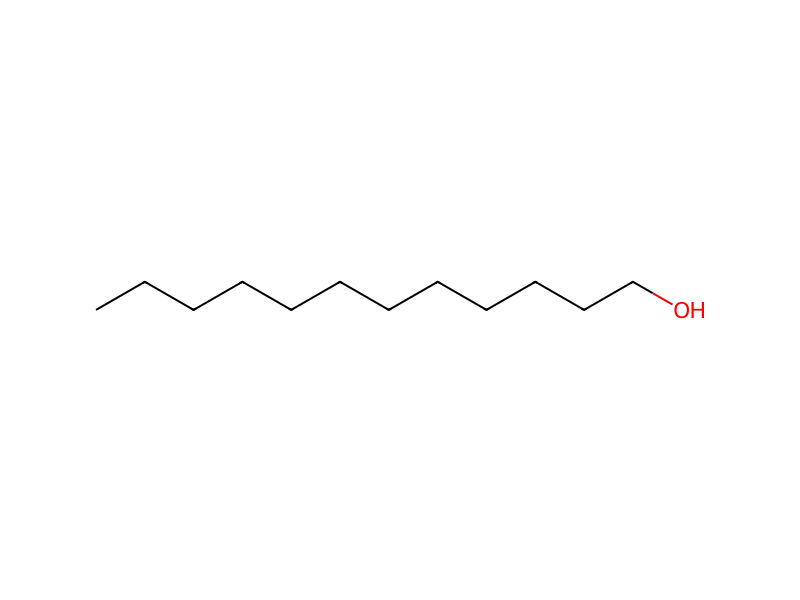
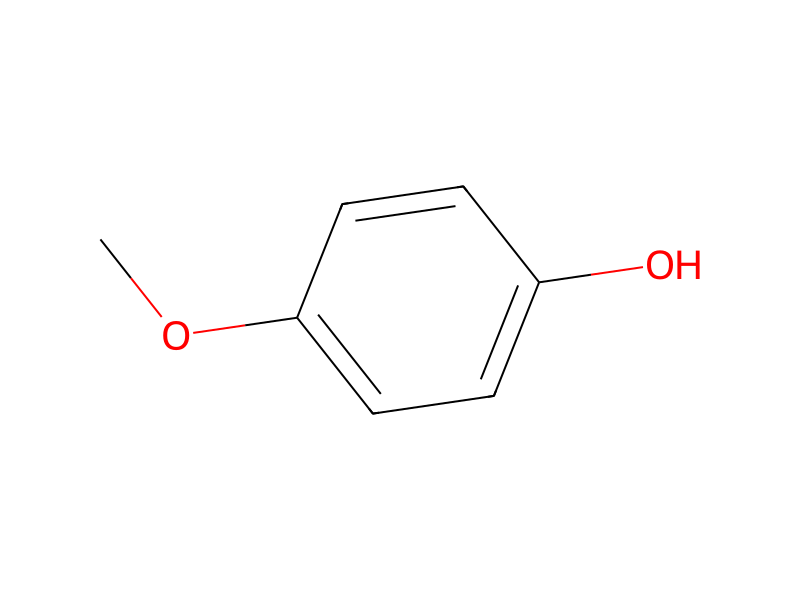
[CH2:1]([OH:13])[CH2:2][CH2:3][CH2:4][CH2:5][CH2:6][CH2:7][CH2:8][CH2:9][CH2:10][CH2:11][CH3:12].[C:14](OC)(=[O:17])[CH:15]=[CH2:16].C[Sn](Cl)(Cl)C.C[O-].[Na+].COC1C=CC(O)=CC=1.C1(C=CC(O)=CC=1)O.[Sn]>CCCCCCC>[C:14]([O:13][CH2:1][CH2:2][CH2:3][CH2:4][CH2:5][CH2:6][CH2:7][CH2:8][CH2:9][CH2:10][CH2:11][CH3:12])(=[O:17])[CH:15]=[CH2:16]Participants
9







Procedure
In a similar manner, a mixture of 559 parts n-dodecyl alcohol, 387.4 parts methyl acrylate, 167 parts heptane, 1.5 parts dimethyltin dichloride, 0.4 parts sodium methoxide (molar ratio 1.08:1), 3.3 parts 4-methoxyphenol and 0.65 parts hydroquinone yielded, after work up, 672.2 parts (93.2 percent yield, based on n-dodecyl alcohol) of n-dodecyl acrylate, with a purity of 96.6 percent containing no detectable tin.
Workup
- customyielded
Sources & evidence
- ORD record
- ord-29b7ab5d696e4680a351edbca0fdab9a
- Source dataset
- uspto-grants-1996_03
- Patent number
- US05498751
Reaction notes
Loading…