Potassium Iodide → HCID 11573719, compound
Reaction equation

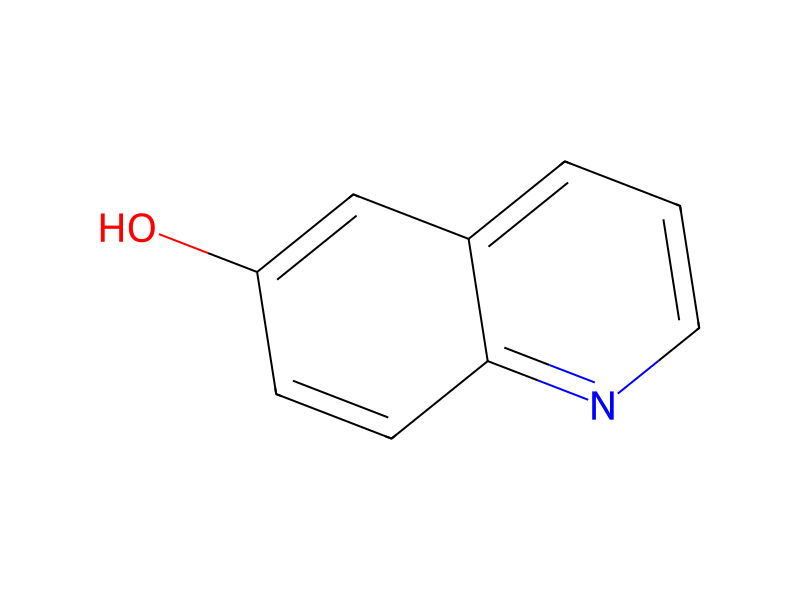
[N:1]1[C:10]2[C:5](=[CH:6][C:7]([OH:11])=[CH:8][CH:9]=2)[CH:4]=[CH:3][CH:2]=1.[Br:12][C:13]1[CH:14]=[C:15]([N:19]=[C:20]=[O:21])[CH:16]=[CH:17][CH:18]=1.C(=O)([O-])[O-].[K+].[K+].[I-].[K+]>CN(C)C=O.O>[N:1]1[C:10]2[C:5](=[CH:6][C:7]([O:11][C:20](=[O:21])[NH:19][C:15]3[CH:16]=[CH:17][CH:18]=[C:13]([Br:12])[CH:14]=3)=[CH:8][CH:9]=2)[CH:4]=[CH:3][CH:2]=1Participants
7






Procedure
A mixture of quinolin-6-ol (0.29 g, 2 mmol), 3-bromo-phenyl isocyanate (0.47 g., 2.4 mmol), potassium carbonate 0.28 g. (0.28 g. 2 mmol) and potassium iodide (0.32 g.) in dry dimethylformamide (2 ml) was heated at 80° C. for 20 hours. The reaction mixture was diluted with water (5 ml), extracted with ethyl acetate (2×5 ml) and dried over sodium sulphate. The combined ethyl acetate fractions were concentrated under vaccum. The residue was washed with methanol (2×3 ml) to give 1d, yield: 0.34 g. (49.5%).
Workup
- extractionextracted with ethyl acetate (2×5 ml)
- dry with materialdried over sodium sulphate
- concentrationThe combined ethyl acetate fractions were concentrated under vaccum
- washThe residue was washed with methanol (2×3 ml)
Sources & evidence
- ORD record
- ord-40858997433c4354a7d70409e2699ce2
- Source dataset
- uspto-grants-2010_02
- Patent number
- US07655801B2
Reaction notes
Loading…