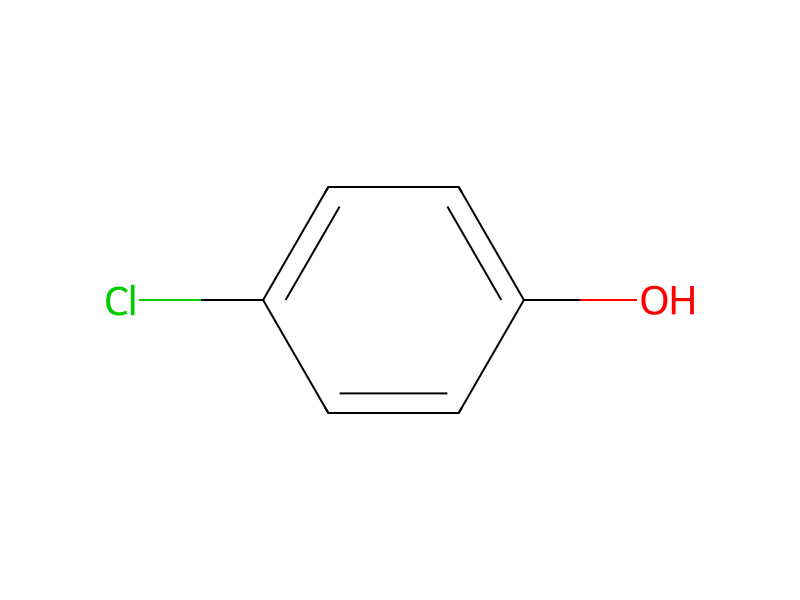
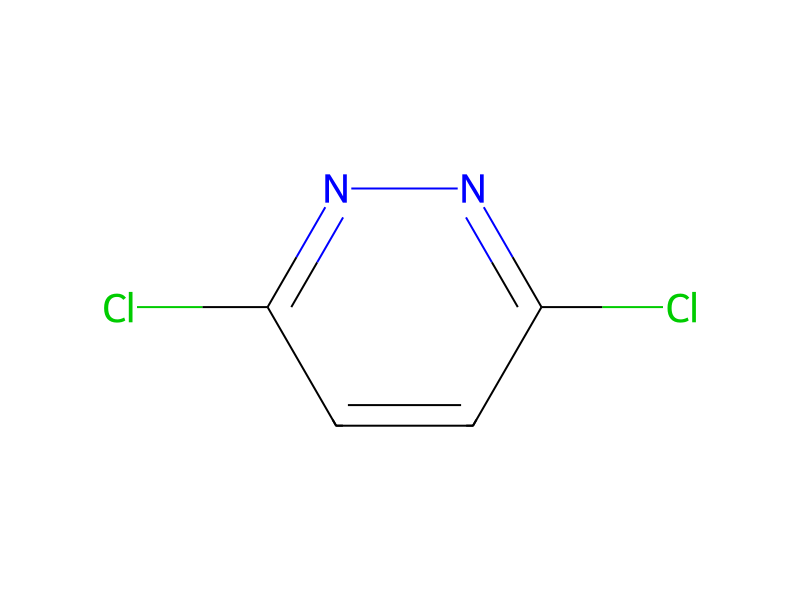
4-Chlorophenol → 3-chloro-6-(4-chlorophenoxy)pyridazine
Reaction equation

Cl[C:2]1[N:3]=[N:4][C:5]([Cl:8])=[CH:6][CH:7]=1.[Cl:9][C:10]1[CH:15]=[CH:14][C:13]([OH:16])=[CH:12][CH:11]=1.C(=O)([O-])[O-].[K+].[K+].[OH-].[Na+]>>[Cl:8][C:5]1[N:4]=[N:3][C:2]([O:16][C:13]2[CH:14]=[CH:15][C:10]([Cl:9])=[CH:11][CH:12]=2)=[CH:7][CH:6]=1Participants
5



Conditions
- Temperature
- 160 °C
Procedure
A mixture of 14.9 g 3,6-dichloro-pyridazine, 10.45 g 4-chlorophenol and 13.8 g potassium carbonate is maintained for half an hour at 160° C., and then poured into an aqueous dilute sodium hydroxide solution. The precipitate which appears in isolated and recrystallised from an aromatic solvent. There is thus obtained, at 70% yield, 3-chloro-6-(4-chlorophenoxy)-pyridazine which melts at 119° C.
Workup
- customin isolated
- customrecrystallised from an aromatic solvent
Sources & evidence
- ORD record
- ord-755aaf1437f04152b4bfad76b242c51d
- Source dataset
- uspto-grants-1980_02
- Patent number
- US04188388
Reaction notes
Loading…