Hydrogen Bromide → HCID 10856574, compound
Reaction equation

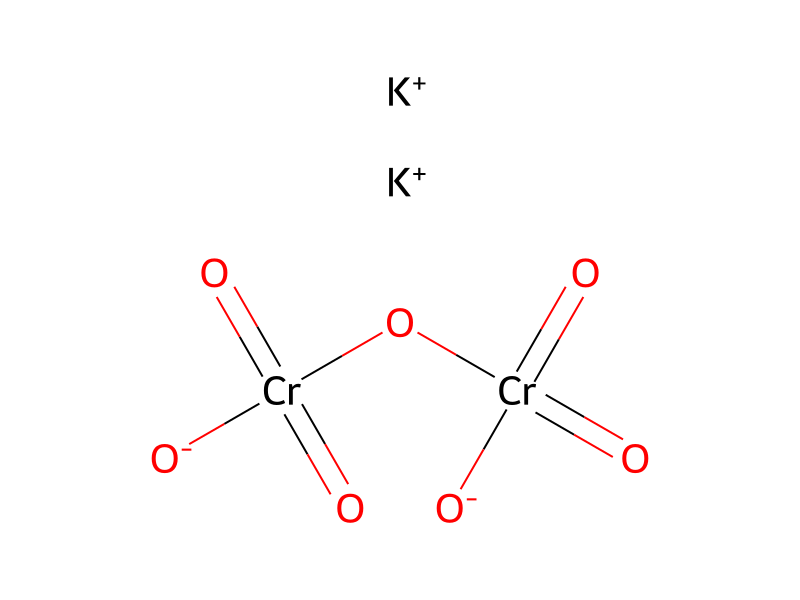
C[C:2]1[C:11]2[C:10](=[O:12])[CH:9]=[CH:8][C:7](=[O:13])[C:6]=2[NH:5][C:4](=[O:14])[CH:3]=1.CO[C:17]1C=CC(OC)=C[C:18]=1N.CC1(C)OC(=O)C=C(C)O1.S(=O)(=O)(O)O.Br.[Cr](O[Cr]([O-])(=O)=O)([O-])(=O)=O.[K+].[K+]>>[CH2:17]([C:3]1[C:4](=[O:14])[NH:5][C:6]2[C:7](=[O:13])[CH:8]=[CH:9][C:10](=[O:12])[C:11]=2[CH:2]=1)[CH3:18]Participants
7





Procedure
Thus, for example the dienophile, 4-methyl-(1H)-quinoline-2,5,8-trione, may be obtained by acetoacetylation of 2,5-dimethoxyaniline with 2,2,6-trimethyl-4H-1,3-dioxin-4-one, followed by Knorr cyclization with sulfuric acid, demethylation with hydrobromic acid and oxidation with potassium dichromate in an acidic medium. The starting dienophile, 3-ethyl-1H-quinoline-2,5,8-trione, may be obtained through Vilsmeier-Haack formylation of 2,5-dimethoxybutyranilide, followed by acidic hydrolysis and oxidative demethylation with cerium ammonium nitrate.
Sources & evidence
- ORD record
- ord-1edd9185fcd544168fb11ff792f4958c
- Source dataset
- uspto-grants-1997_02
- Patent number
- US05605905
Reaction notes
Loading…