Hydroquinone → HCID 21999751, compound
Reaction equation

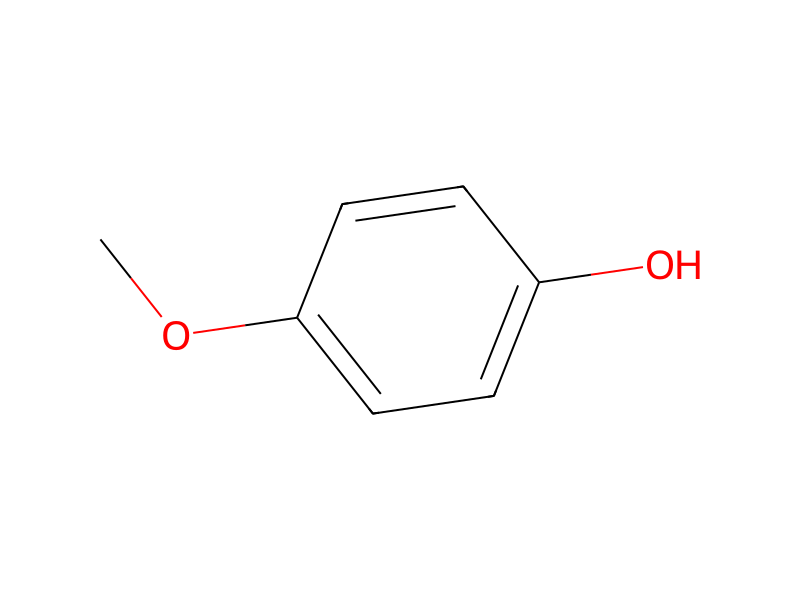
[Cl-].[OH-].[OH-].C([Sn+3])CCC.[CH:9]1([OH:21])[CH2:20][CH2:19][CH2:18][CH2:17][CH2:16][CH2:15][CH2:14][CH2:13][CH2:12][CH2:11][CH2:10]1.COC1C=CC(O)=CC=1.C1(C=CC(O)=CC=1)O.[C:39](OC)(=[O:43])[C:40]([CH3:42])=[CH2:41]>CCCCCCC>[C:39]([O:21][CH:9]1[CH2:20][CH2:19][CH2:18][CH2:17][CH2:16][CH2:15][CH2:14][CH2:13][CH2:12][CH2:11][CH2:10]1)(=[O:43])[C:40]([CH3:42])=[CH2:41]Participants
Reactant 5




Product 1

Reagents, catalysts & solvents 1

Procedure
Monobutyltin dihydroxide monochloride (6.0 parts) was heated under vacuum to oligomerize it. To the oligomerized catalyst was added cyclododecanol (184 parts), 4-methoxyphenol (0.5 parts), hydroquinone (0.5 parts), heptane (50 parts) and methyl methacrylate (300 parts) and the reaction mixture was heated as in Example 1. Methanol, heptane, and excess methyl methacrylate were removed from the crude product. To remove the tin catalyst and polymerization inhibitors, the crude product containing approximately 50% solvent was washed three times with 159 sodium hydroxide at 20% of batch weight. After reducing alkalinity by washing the product with a 15% sodium chloride brine solution, the organic layer was concentrated to yield 228 parts (90% based on cyclododecanol) yield of cyclododecyl methacrylate. The purity was greater than 98%. Analysis for residual tin was 740 ppm.
Workup
- temperaturethe reaction mixture was heated as in Example 1
- customMethanol, heptane, and excess methyl methacrylate were removed from the crude product
- customTo remove
- customthe tin catalyst and polymerization inhibitors
- washwas washed three times with 159 sodium hydroxide at 20% of batch weight
- washby washing the product with a 15% sodium chloride brine solution
- concentrationthe organic layer was concentrated
Sources & evidence
- ORD record
- ord-e421006626e349c09afe8d7a494c8383
- Source dataset
- uspto-grants-1997_02
- Patent number
- US05606103
Reaction notes
Loading…