Formamide → Ethyl formate
Reaction equation

[CH2:1]1[CH2:6][O:5][CH:4]=[CH:3][CH2:2]1.C(C(N)=O)C(N)=[O:9].C(N)=O.[O-:17][CH2:18][CH3:19].[Na+:20]>CO.C[O-].[Na+].C(O)C>[CH:6]([O:5][CH2:4][CH3:3])=[O:9].[O-:17][CH2:18][CH3:19].[Na+:20].[CH2:1]1[CH2:6][O:5][CH:4]=[CH:3][CH2:2]1Participants
10
Reactant 4
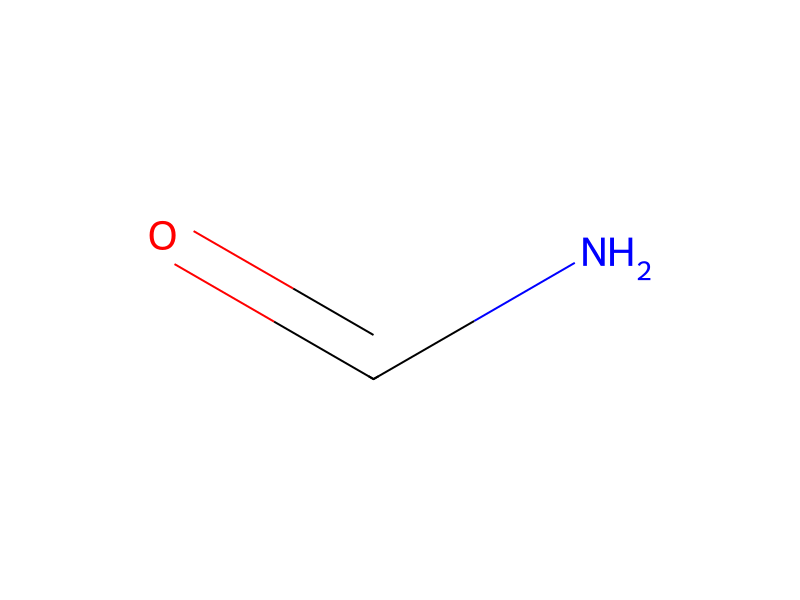



Product 3
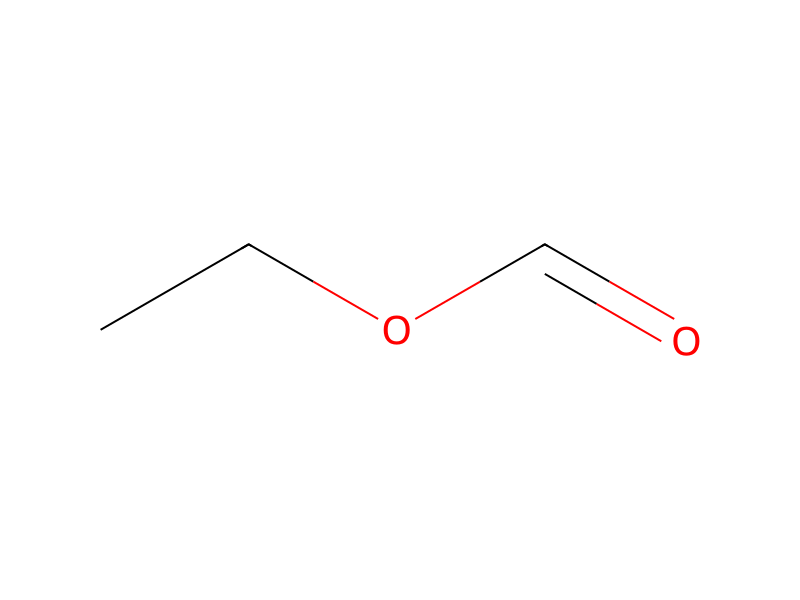
Reagents, catalysts & solvents 3



Procedure
The DHP yield was improved by approximately 30% to a maximum of 81% by A. Sommer, DE-OS 1 200 308 by reacting malonodiamide with formamide in alcoholic solution with more than 2 moles, advantageously with 3.0 to 3.9 moles, of alkali metal alkoxide. As opposed to Brown, this worker employed formamide in the examples in amounts of just over 2 moles per mole of malonodiamide. The alkali metal alkoxides used were sodium ethoxide in methanol and sodium methoxide in ethanol. In the latter case, the methanol was distilled off from the reaction mixture, thus dispensing with filtration of the salts which had precipitated. Ethyl formate instead of formamide yielded, together with sodium ethoxide, DHP in a yield of only 61.5%.
Workup
- distillationIn the latter case, the methanol was distilled off from the reaction mixture
- filtrationthus dispensing with filtration of the salts which
- customhad precipitated
Sources & evidence
- ORD record
- ord-392f83eff5da4871b4868b05c3caaadf
- Source dataset
- uspto-grants-1998_12
- Patent number
- US05847139
Reaction notes
Loading…