Hydrochloric Acid → 178927-85-0
Reaction equation

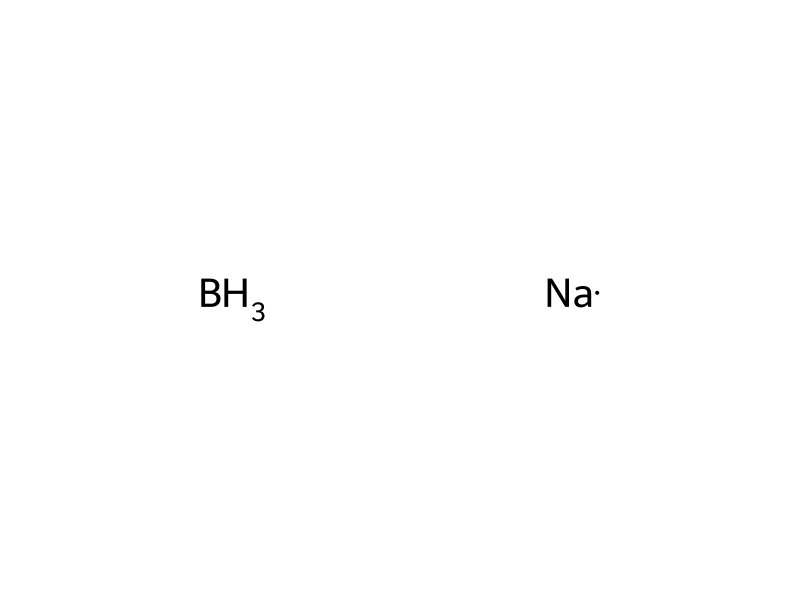
Cl.[CH3:2][C:3]1[N:7]([C:8]2[N:13]=[CH:12][CH:11]=[CH:10][N:9]=2)[N:6]=[CH:5][C:4]=1[C:14](=O)[CH2:15][CH2:16][N:17]1[CH2:22][CH2:21][N:20]([C:23]2[CH:28]=[CH:27][CH:26]=[C:25]([Cl:29])[CH:24]=2)[CH2:19][CH2:18]1.B.[Na].Cl.O.C1(C)C=CC(S(O)(=O)=O)=CC=1>O1CCCC1.C(O)C>[ClH:29].[CH3:2][C:3]1[N:7]([C:8]2[N:9]=[CH:10][CH:11]=[CH:12][N:13]=2)[N:6]=[CH:5][C:4]=1/[CH:14]=[CH:15]/[CH2:16][N:17]1[CH2:18][CH2:19][N:20]([C:23]2[CH:28]=[CH:27][CH:26]=[C:25]([Cl:29])[CH:24]=2)[CH2:21][CH2:22]1Participants






Conditions
- Temperature
- 0 °C
Procedure
10 g of 1-[5-methyl-1-(2-pyrimidinyl)-4-pyrazolyl]-3-[4-(3-chlorophenyl)-1-piperazinyl]-1-propanone hydrochloride was dissolved in a solvent mixture comprising 600 ml of tetrahydrofuran and 600 ml of ethanol. After cooling to 0° C., 2.5 g of sodium boron hydride was added thereto and the resulting mixture was stirred at the same temperature for 45 minutes. To the reaction mixture was further added 500 mg of sodium boron hydride followed by stirring for 1 hour. After adding 30 ml of 4N hydrochloric acid to the reaction mixture, the solvent was distilled off. To the residue thus obtained were added 1,200 ml of tetrahydrofuran and 5.9 g of p-toluenesulfonic acid monohydrate. Then the mixture was heated under reflux for 2 hours. After evaporating the solvent, it was neutralized with an aqueous solution of sodium hydroxide and extracted with ethyl acetate. The extract was washed with a saturated aqueous solution of sodium chloride and dried over anhydrous sodium sulfate. After evaporating the solvent, the residue was dissolved in ethyl acetate. Then 22 ml of a 1N hydrochloric acid/ethanol solution was added thereto. The insoluble matters were collected by filtration and recrystallized from ethanol. Thus 4.0 g of the title compound was obtained.
Workup
- stirringby stirring for 1 hour
- distillationthe solvent was distilled off
- customTo the residue thus obtained
- temperatureThen the mixture was heated
- temperatureunder reflux for 2 hours
- customAfter evaporating the solvent, it
- extractionextracted with ethyl acetate
- washThe extract was washed with a saturated aqueous solution of sodium chloride
- dry with materialdried over anhydrous sodium sulfate
- customAfter evaporating the solvent
- dissolutionthe residue was dissolved in ethyl acetate
- additionThen 22 ml of a 1N hydrochloric acid/ethanol solution was added
- filtrationThe insoluble matters were collected by filtration
- customrecrystallized from ethanol
Sources & evidence
- ORD record
- ord-46fb3fdfd5714dc184f2fa2a4a71b3d1
- Source dataset
- uspto-grants-1998_12
- Patent number
- US05852019
Reaction notes
Loading…