Sodium Iodide → Iodophenylhydrazine
Reaction equation

[C:1]1([NH:7][NH2:8])[CH:6]=[CH:5][CH:4]=[CH:3][CH:2]=1.CCCC[Sn](CCCC)CCCC.CCCC[Sn](CCCC)CCCC.[I-:35].[Na+].CC1C=CC(S(NCl)(=O)=O)=CC=1>>[I:35][N:7]([C:1]1[CH:6]=[CH:5][CH:4]=[CH:3][CH:2]=1)[NH2:8]Participants
5



Procedure
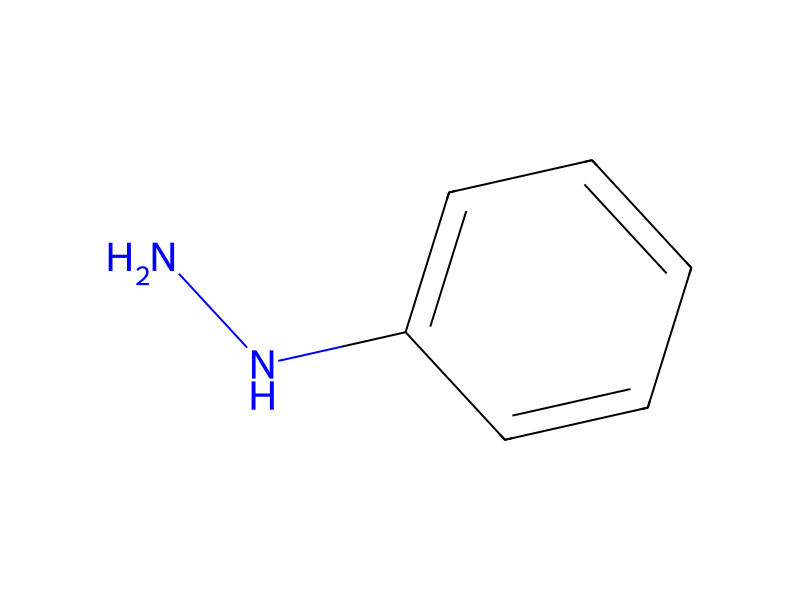
The starting reactant is phenylhydrazine. The hydrazine group is protected, the aromatic ring is nitrated and subsequently, the nitro-product is chromatographed, reduced to amine, reacted with nitrous acid and sodium iodide to give p-iodo-substituted protected phenylhydrazine. Subsequently it is reacted with hexabutylditin and tetrakis (triphenylphosphine)palladium(0) and then with sodium iodide (NaI125) in the presence of such oxidizing agent as Chloramine-T. The final step, deprotection, gives p-I125 -iodophenylhydrazine.
Workup
- customsubsequently, the nitro-product is chromatographed
- customreacted with nitrous acid and sodium iodide
- customto give p-iodo-substituted
Sources & evidence
- ORD record
- ord-7eeb57cc517b44d484878c1030bfb583
- Source dataset
- uspto-grants-1998_12
- Patent number
- US05854084
Reaction notes
Loading…