Triethylamine → HCID 53819561, compound
Reaction equation

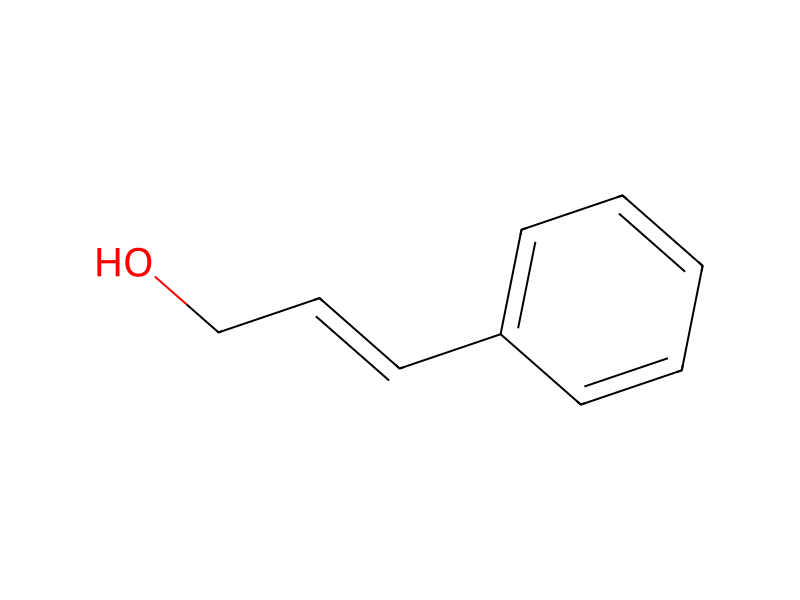
[S:1]1[C:5]2[C:6]([C:10](Cl)=[O:11])=[CH:7][CH:8]=[CH:9][C:4]=2[N:3]=[N:2]1.[CH:13]1[CH:14]=[CH:15][C:16](/[CH:19]=[CH:20]/[CH2:21][OH:22])=[CH:17][CH:18]=1.C(N(CC)CC)C>ClCCl.CN(C)C1C=CN=CC=1>[S:1]1[C:5]2[C:6]([C:10]([O:22][CH2:21][CH:20]=[CH:19][C:16]3[CH:17]=[CH:18][CH:13]=[CH:14][CH:15]=3)=[O:11])=[CH:7][CH:8]=[CH:9][C:4]=2[N:3]=[N:2]1Participants
6





Procedure
3 g of benzo-1,2,3-thiadiazole-7-carboxylic acid chloride in 25 ml of dichloromethane are added dropwise at 15° C., with cooling and stirring, to a solution of 2.3 g of cinnamic alcohol, 3.5 g of triethylamine and a spatula tip of 4-dimethylaminopyridine in 13 ml of dichloromethane, the mixture is stirred for 16 hours at room temperature, ice-water is added, and the aqueous phase is extracted with dichloromethane. The extracts are washed with water, dried over Na2SO4 and concentrated by evaporation. The solid residue is triturated with a small amount of diethyl ether, yielding the title compound with a melting point of 70°-72° C.
Workup
- temperaturewith cooling
- extractionthe aqueous phase is extracted with dichloromethane
- washThe extracts are washed with water
- dry with materialdried over Na2SO4
- concentrationconcentrated by evaporation
- customThe solid residue is triturated with a small amount of diethyl ether
Sources & evidence
- ORD record
- ord-09b71fe41a0b485f8786ab6f98454ec5
- Source dataset
- uspto-grants-1994_04
- Patent number
- US05302607
Reaction notes
Loading…