4-Hydroxybenzaldehyde → HCID 117840504, compound
Reaction equation

[OH:1][C:2]1[CH:9]=[CH:8][C:5]([CH:6]=O)=[CH:4][CH:3]=1.Cl[CH2:11][CH2:12][O:13][CH2:14][CH2:15][OH:16].C(=O)([O-])[O-].[K+].[K+].[NH:23]1[CH2:29][C:27](=[O:28])[NH:26][C:24]1=[O:25].O.N>O.C(#N)C>[OH:16][CH2:15][CH2:14][O:13][CH2:12][CH2:11][O:1][C:2]1[CH:9]=[CH:8][C:5]([CH:6]=[C:29]2[NH:23][C:24](=[O:25])[NH:26][C:27]2=[O:28])=[CH:4][CH:3]=1Participants

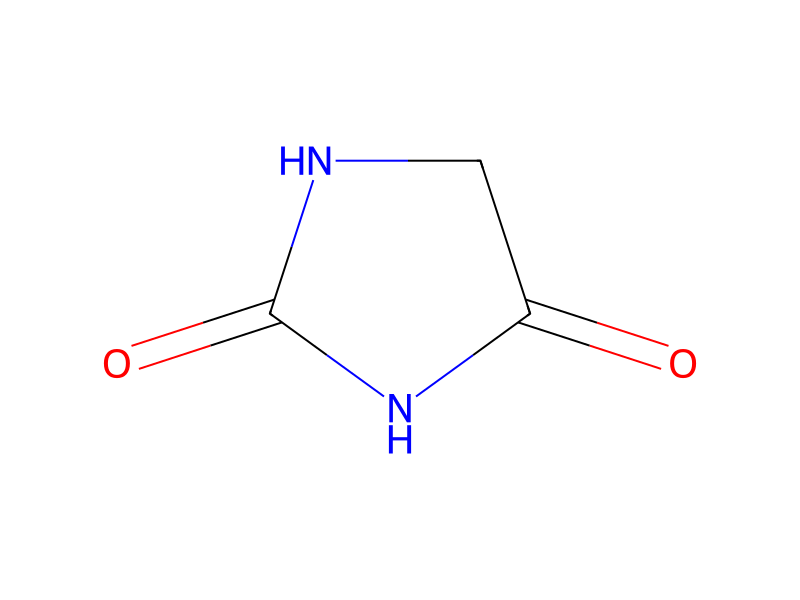

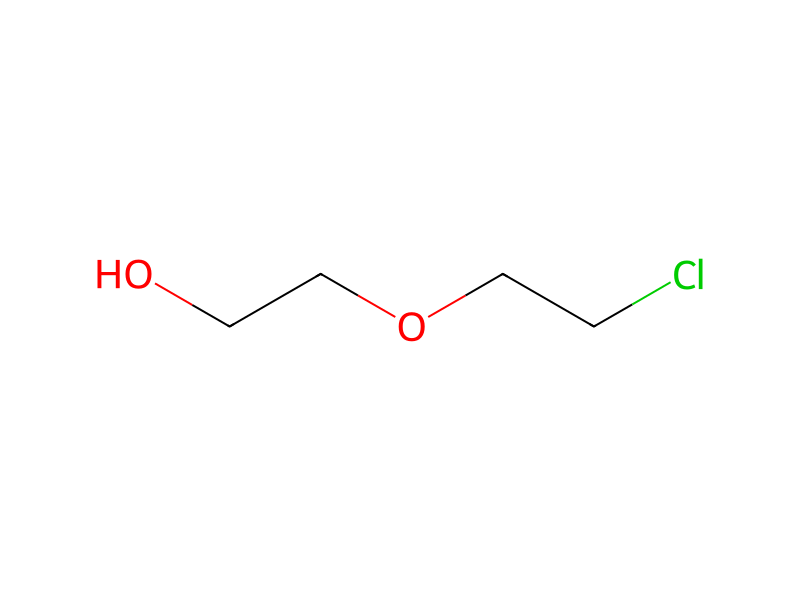




Conditions
- Temperature
- 105 °C
Procedure
In a 300 mL egg-plant shaped flask, 14.7 g (120 mmol) of 4-hydroxybenzaldehyde was mixed with 16.4 g (132 mmol) of 2-(2-chloroethoxyl)ethanol, 33.2 g (240 mmol) of potassium carbonate, and 150 mL of acetonitrile. The mixture was heated at 105° C. for 14 hours with stirring. Thereafter, 1.49 g (12.0 mmol) of 2-(2-chloroethoxy) ethanol was further added, and the mixture was heated at 105° C. for 30 hours with stirring. After the liquid reaction mixture was cooled to room temperature, the solid was removed by celite filtration. The solvent was removed by distillation under reduced pressure, so that 34.6 g of a yellow viscous material mixed with a white solid was obtained. To the product was added 80 mL of water. The mixture was transferred into a separate 200 mL egg-plant shaped flask, and 15.6 g (156 mmol) of hydantoin and 14.4 g of 28% ammonia water were added to the flask. The mixture was heated at 90° C. for 12 hours with stirring. After the liquid reaction mixture was cooled to room temperature, the precipitated crystals were collected by filtration. The crystals were then washed twice with water and twice with ethanol. The crystals were dried to give 29.6 g of 5-[4-[2-(2-hydroxyethoxy)ethoxy]benzylidene]hydantoin. Subsequently, 17.5 g (60.0 mmol) of the product was added to a 200 mL egg-plant shaped flask, and 7.47 g (60 mmol) of 2-(2-chloroethoxyl)ethanol, 20.0 g (145 mmol) of potassium carbonate, and 80 mL of N,N-dimethylformamide were added to the flask. The mixture was heated at 110° C. for 3 hours with stirring. After the liquid reaction mixture was cooled to room temperature, the solid was removed by celite filtration. The solvent was removed by distillation under reduced pressure, so that 30.5 g of a yellow viscous material mixed with a white solid was obtained. The product was purified by silica gel column chromatography (developing solvent: isopropanol/toluene=1/3) to give 9.21 g of yellow crystals. The product was subjected to an activated carbon treatment with ethanol to give 6.56 g of compound 1 (yield: 25%).
Workup
- temperaturethe mixture was heated at 105° C. for 30 hours
- stirringwith stirring
- customAfter the liquid reaction mixture
- temperaturewas cooled to room temperature
- customthe solid was removed by celite filtration
- customThe solvent was removed by distillation under reduced pressure, so that 34.6 g of a yellow viscous material
- additionmixed with a white solid
- customwas obtained
- temperatureThe mixture was heated at 90° C. for 12 hours
- stirringwith stirring
- customAfter the liquid reaction mixture
- temperaturewas cooled to room temperature
- filtrationthe precipitated crystals were collected by filtration
- washThe crystals were then washed twice with water and twice with ethanol
- customThe crystals were dried
Sources & evidence
- ORD record
- ord-7bb7e00c1a6e40e291ff2f8334503274
- Source dataset
- uspto-grants-2016_08
- Patent number
- US09422246B2
Reaction notes
Loading…