Potassium Carbonate → HCID 86732071, compound
Reaction equation

Cl[C:2]1[N:7]=[C:6]([CH3:8])[N:5]=[C:4]([C@@H:9]2[CH2:11][C@H:10]2[C:12]2[N:16]([CH3:17])[C:15]3[CH:18]=[CH:19][CH:20]=[CH:21][C:14]=3[N:13]=2)[CH:3]=1.O.[NH2:23][NH2:24].C(=O)([O-])[O-].[K+].[K+]>CC1OCCC1>[NH:23]([C:2]1[N:7]=[C:6]([CH3:8])[N:5]=[C:4]([C@@H:9]2[CH2:11][C@H:10]2[C:12]2[N:16]([CH3:17])[C:15]3[CH:18]=[CH:19][CH:20]=[CH:21][C:14]=3[N:13]=2)[CH:3]=1)[NH2:24]Participants
5
Reactant 3



Product 1

Reagents, catalysts & solvents 1
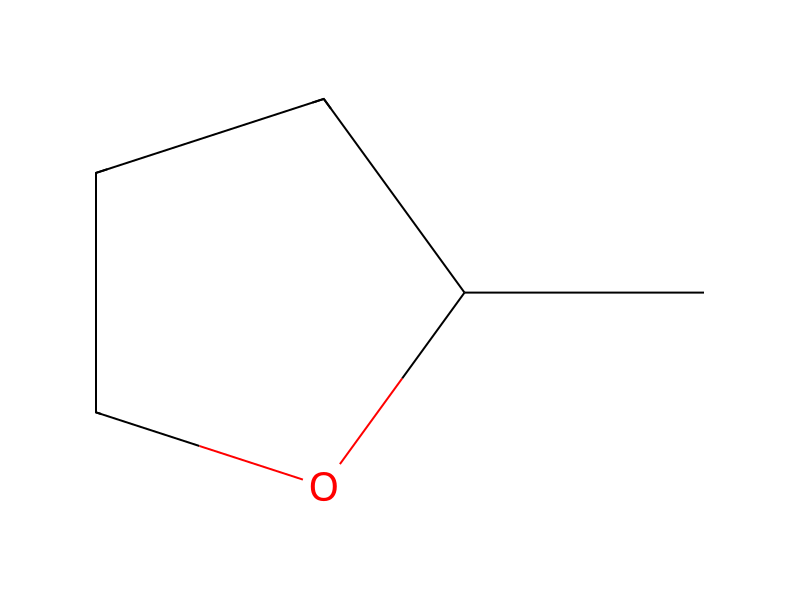
Procedure
A slurry of 6-4 (4 g, 13.39 mmol), hydrazine hydrate (1.261 ml, 40.2 mmol) and potassium carbonate (5.55 g, 40.2 mmol) in 2-MeTHF (100 ml) was heated at 80° C. for 16 h. After cooling to room temperature, the reaction mixture was partitioned between water and ethyl acetate. The organic layer was separated, dried over sodium sulfate, filtered and concentrated to afford Intermediate 6 as a tan solid. MS: m/z=295.4 (M+H).
Workup
- customthe reaction mixture was partitioned between water and ethyl acetate
- customThe organic layer was separated
- dry with materialdried over sodium sulfate
- filtrationfiltered
- concentrationconcentrated
Sources & evidence
- ORD record
- ord-b6d4a4c8dc6845299d305288d0c54871
- Source dataset
- uspto-grants-2016_08
- Patent number
- US09428492B2
Reaction notes
Loading…