Diisopropylethylamine → Ethyl 6-bromo-4-(oxan-4-ylamino)quinoline-3-carboxylate
Reaction equation

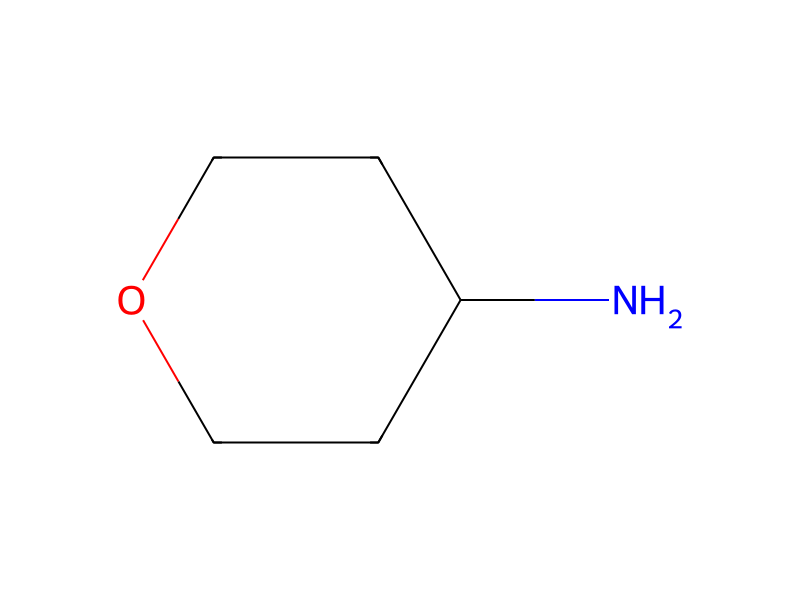
[Br:1][C:2]1[CH:3]=[C:4]2[C:9](=[CH:10][CH:11]=1)[N:8]=[CH:7][C:6]([C:12]([O:14][CH2:15][CH3:16])=[O:13])=[C:5]2Cl.[O:18]1[CH2:23][CH2:22][CH:21]([NH2:24])[CH2:20][CH2:19]1.CCN(C(C)C)C(C)C>CC(N(C)C)=O>[Br:1][C:2]1[CH:3]=[C:4]2[C:9](=[CH:10][CH:11]=1)[N:8]=[CH:7][C:6]([C:12]([O:14][CH2:15][CH3:16])=[O:13])=[C:5]2[NH:24][CH:21]1[CH2:22][CH2:23][O:18][CH2:19][CH2:20]1Participants



Conditions
- Temperature
- 80 °C
Procedure
On a larger scale, ethyl 6-bromo-4-chloroquinoline-3-carboxylate (2196 g, (1976 g active), 6.28 mol) was charged to the vessel with DMA (16 L). Tetrahydro-2H-pyran-4-amine (1224 g, 12.10 mol) was added over 10 minutes with an observed exotherm of 21-27° C. DIPEA (3.5 L, 20.09 mol) was added with no observed exotherm. The mixture was heated to 75-85° C. and the resulting solution stirred for 18.5 h at 80° C. HPLC indicated consumption of starting material and 99.2% product. The reaction was cooled to 50° C. and then poured into water (50 L). The resulting suspension was stirred for 2 h at r.t. and the solids isolated by filtration, washing with water (8 L then 2×4 L). The solid was dried under vacuum at 40° C. for 55 h to give 2307 g of desired material. Analytical data was consistent with that obtained from previous batches.
Workup
- customconsumption of starting material and 99.2% product
- temperatureThe reaction was cooled to 50° C.
- additionpoured into water (50 L)
- stirringThe resulting suspension was stirred for 2 h at r.t.
- customthe solids isolated by filtration
- washwashing with water (8 L
- customThe solid was dried under vacuum at 40° C. for 55 h
Sources & evidence
- ORD record
- ord-497104888776471e99cb150086558a20
- Source dataset
- uspto-grants-2016_08
- Patent number
- US09428503B2
Reaction notes
Loading…