Hydrogen Bromide → Eseroline
Reaction equation

[Li+].[Br-].Br.CC[O:6][C:7]1[CH:12]=[CH:11][C:10]2[N:13]([CH3:21])[C@H:14]3[N:18]([CH3:19])[CH2:17][CH2:16][C@@:15]3([CH3:20])[C:9]=2[CH:8]=1.[Li+].[OH-]>O>[CH3:20][C@:15]12[C:9]3[CH:8]=[C:7]([OH:6])[CH:12]=[CH:11][C:10]=3[N:13]([CH3:21])[C@H:14]1[N:18]([CH3:19])[CH2:17][CH2:16]2Participants
Reactant 4


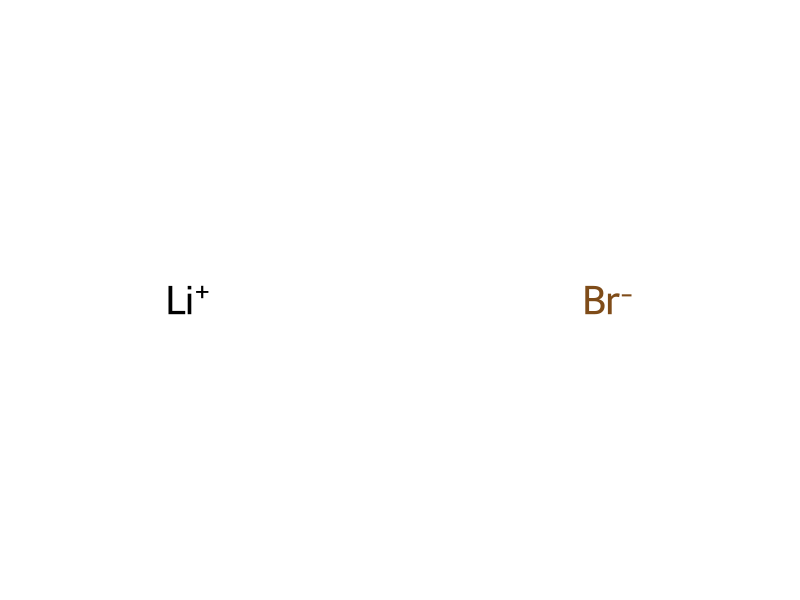

Product 1

Reagents, catalysts & solvents 1

Procedure
Add LiBr (80 g) to 48% aq HBr (40 mL) and water (40 mL) to make a clear solution. To this solution add (-) eserethole (21.31 g, 86.63 mmol) at room temperature under nitrogen with stirring. Heat (90°-100° C.) the brownish clear solution with an oil bath for 5.5 hours. Cool the dark greenish brown solution to room temperature and pour into ice-water (240 mL). To this solution was add 20% LiOH to pH 9-10. Extract the mixture with ethyl acetate (2×150 mL). Wash the combined ethyl acetate solution with brine, dry over potassium carbonate and filter. Concentrate the filtrate (to 100 mL) to provide a residue which contains eseroline (17.76 g, 95% yield, 98.8% purity). This solution was used immediately in the preparation of the title product.
Workup
- temperatureHeat (90°-100° C.) the brownish clear solution with an oil bath for 5.5 hours
- extractionExtract the mixture with ethyl acetate (2×150 mL)
- washWash the combined ethyl acetate solution with brine
- dry with materialdry over potassium carbonate
- filtrationfilter
- concentrationConcentrate the filtrate (to 100 mL)
- customto provide a residue which
Sources & evidence
- ORD record
- ord-681d0e50010944b2ad5dbf7be5d9b197
- Source dataset
- uspto-grants-1997_10
- Patent number
- US05677457
Reaction notes
Loading…