4-Hydroxybenzaldehyde → Bisdemethoxycurcumin
Reaction equation

[OH:1][C:2]1[CH:9]=[CH:8][C:5]([CH:6]=O)=[CH:4][CH:3]=1.[B]=O.[CH3:12][C:13](=[O:18])[CH2:14][C:15](=[O:17])[CH3:16].B([O:26][CH2:27][CH3:28])(OCC)OCC.[CH2:29](N)[CH2:30][CH2:31][CH3:32].[CH3:34]N(C)C(=O)C>>[CH:30]1[C:31](/[CH:32]=[CH:16]/[C:15]([CH2:14][C:13](/[CH:12]=[CH:6]/[C:5]2[CH:8]=[CH:9][C:2]([OH:1])=[CH:3][CH:4]=2)=[O:18])=[O:17])=[CH:34][CH:28]=[C:27]([OH:26])[CH:29]=1Participants
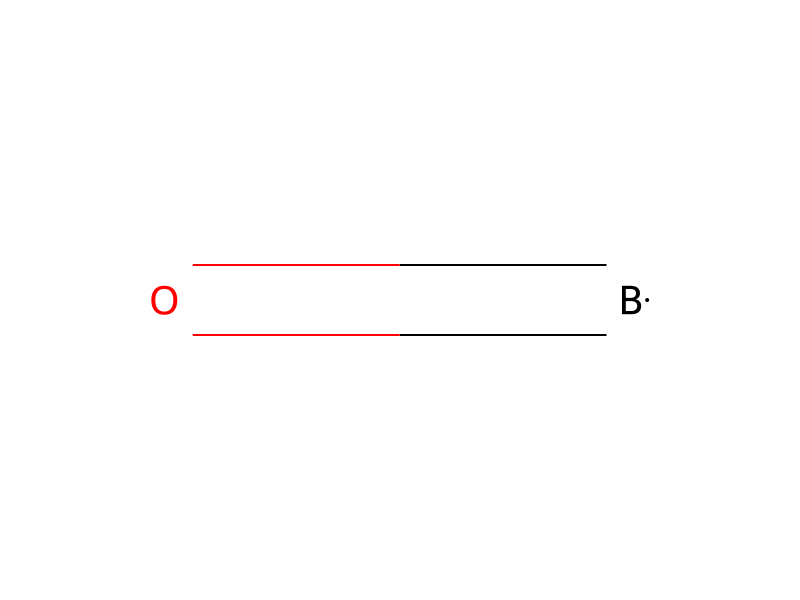
7




Conditions
- Temperature
- 80 °C
Procedure
A 1 L reactor was charged with 171 g of 4-hydroxybenzaldehyde, 46.6 g boron oxide, 300 g N,N-dimethylacetamide, 70.2 g 2,4-pentanedione and 145.5 g triethyl borate. The mixture was stirred and heated to a temperature of 80° C. under nitrogen. n-Butylamine totaling 21.3 g was then fed dropwise into the reaction mixture over a period of 60 minutes. The temperature of the reaction mixture varied between 80° and 85° C. during this period.
Workup
- waitThe temperature of the reaction mixture varied between 80° and 85° C. during this period
Sources & evidence
- ORD record
- ord-bf1964674d5b4fdfb295228a8b830243
- Source dataset
- uspto-grants-1997_10
- Patent number
- US05679864
Reaction notes
Loading…