Benzaldehyde → HCID 21480461, compound
Reaction equation

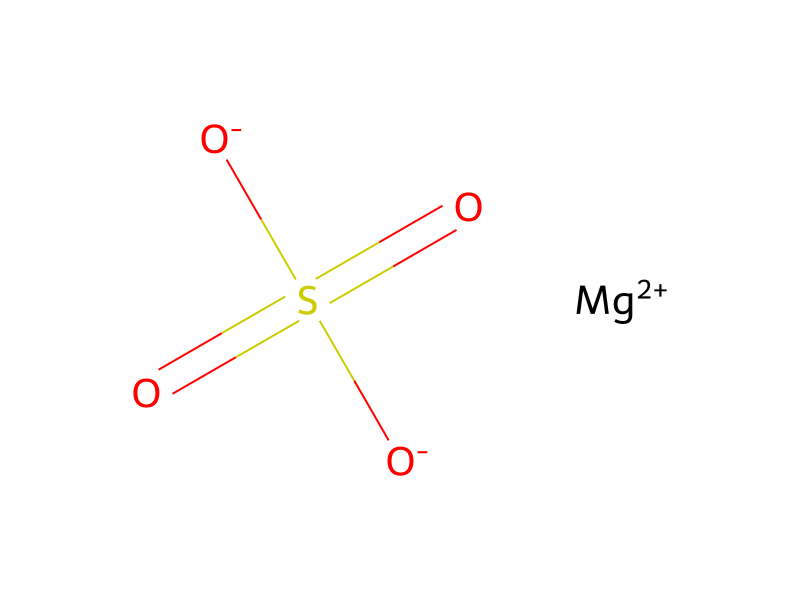
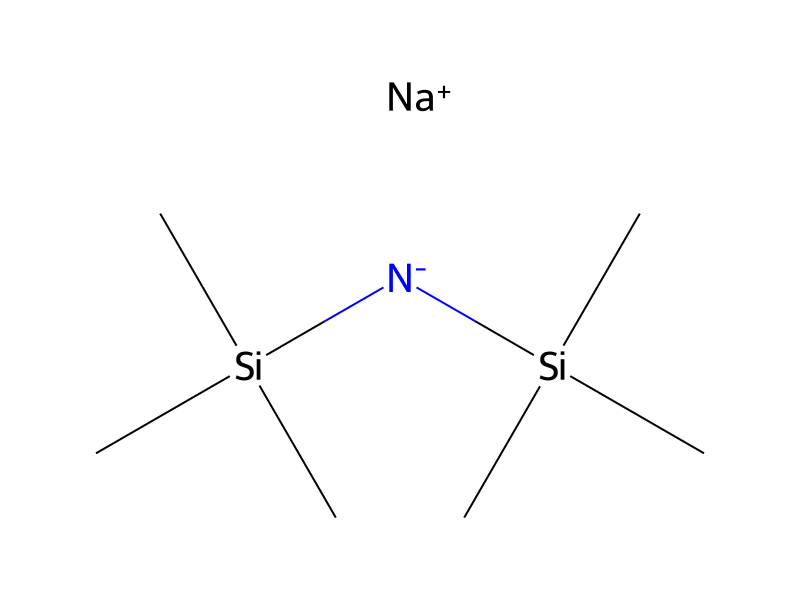
[NH2:1][CH:2]1[N:8]=[C:7]([C:9]2[CH:14]=[CH:13][CH:12]=[CH:11][CH:10]=2)[C:6]2[CH:15]=[CH:16][CH:17]=[CH:18][C:5]=2[N:4]([CH3:19])[C:3]1=[O:20].[CH:21](=O)C1C=CC=CC=1.S([O-])([O-])(=O)=O.[Mg+2].C[Si]([N-][Si](C)(C)C)(C)C.[Na+].IC>ClCCl.O1CCCC1.[Cl-].[Na+].O>[NH2:1][C:2]1([CH3:21])[N:8]=[C:7]([C:9]2[CH:14]=[CH:13][CH:12]=[CH:11][CH:10]=2)[C:6]2[CH:15]=[CH:16][CH:17]=[CH:18][C:5]=2[N:4]([CH3:19])[C:3]1=[O:20]Participants
Reactant 5



Product 1

Reagents, catalysts & solvents 3



Procedure
A mixture of 3(R,S)-amino-1,3-dihydro-1-methyl-5-phenyl-2H-1,4-benzodiazepin-2-one (J. Org. Chem., 1987, 52, 3232) (1 g), benzaldehyde (408 mg) and anhydrous magnesium sulphate (3 g) in anhydrous dichloromethane (25 ml) was stirred at room temperature for 21 hours, under nitrogen. 4 Å Molecular sieves (2 g) were added to the above mixture and it was refluxed for 19 hours and finally stirred at room temperature for a further 23 hours. Solids were filtered off, washed with anhydrous dichloromethane (15 ml) and the solvent was removed under vacuum. The remaining residue was azeotroped with toluene (2×15 ml) and further dried under high vacuum to give a yellow foam. This material was dissolved in anhydrous tetrahydrofuran (10 ml) and it was added via cannula to a cooled (-72° C.) and stirred solution of sodium bis(trimethylsilyl)amide (1M in tetrahydrofuran; 4.2 ml) in anhydrous tetrahydrofuran (10 ml) over 7 minutes, under a nitrogen atmosphere. The resulting dark blue solution was stirred at -72° C. for 5 minutes before iodomethane (0.27 ml) was added dropwise and stirring was continued at -70° C. for 2 hours and at room temperature for 17 hours. Brine (20 ml) was added and the organic solvent was removed under vacuum. The aqueous residue was diluted with 2N hydrochloric acid (10 ml) and methanol (5 ml) and it was stirred at room temperature for 10 minutes before it was extracted with diethyl ether (2×25 ml). The acidic aqueous solution was basified with 2N sodium hydroxide and products were extracted with ethyl acetate (3×65 ml). The combined organic solutions were washed with brine (1×25 ml), dried (Na2 SO4) and concentrated. Flash chromatography (silica gel, dichloromethane-methanol, 92:8) of the residue gave the title compound (577 mg) as a solid; δH (250 MHz, CDCl3) 7.66-7.26 (8H, m, Ar--H), 7.15 (1H, dt, J=8.0 and 1.1 Hz, Ar--H), 3.52 (3H, s, --NMe), 1.00 (3H, s, --Me); m/z (CI) 280 (M+ +1).
Workup
- addition4 Å Molecular sieves (2 g) were added to the above mixture and it
- temperaturewas refluxed for 19 hours
- stirringfinally stirred at room temperature for a further 23 hours
- filtrationSolids were filtered off
- washwashed with anhydrous dichloromethane (15 ml)
- customthe solvent was removed under vacuum
- customThe remaining residue was azeotroped with toluene (2×15 ml)
- customfurther dried under high vacuum
- customto give a yellow foam
- additionit was added via cannula to
- temperaturea cooled (-72° C.)
- additionwas added dropwise
- stirringstirring
- waitwas continued at -70° C. for 2 hours and at room temperature for 17 hours
- customthe organic solvent was removed under vacuum
- additionThe aqueous residue was diluted with 2N hydrochloric acid (10 ml) and methanol (5 ml) and it
- stirringwas stirred at room temperature for 10 minutes before it
- extractionwas extracted with diethyl ether (2×25 ml)
- extractionwere extracted with ethyl acetate (3×65 ml)
- washThe combined organic solutions were washed with brine (1×25 ml)
- customdried (Na2 SO4)
- concentrationconcentrated
Sources & evidence
- ORD record
- ord-e6d55619a7e444ddb1e7487b3ef05cb7
- Source dataset
- uspto-grants-1997_10
- Patent number
- US05681833
Reaction notes
Loading…