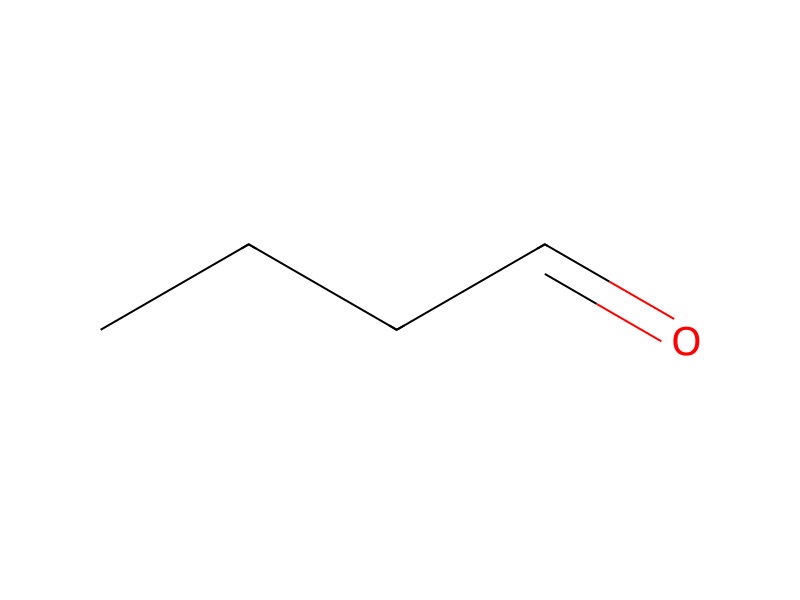
Butanal → HCID 14514400, compound
Reaction equation

BrC1C=CN=CC=1.[Li].C(=O)CCC.S(Cl)(Cl)=O.Cl[CH:19]([C:23]1[CH:28]=[CH:27][N:26]=[CH:25][CH:24]=1)[CH2:20][CH2:21][CH3:22].[NH:29]1[CH:33]=[CH:32][N:31]=[CH:30]1.[H-].[Na+].Cl>CN(C)C=O>[N:29]1([CH:19]([C:23]2[CH:28]=[CH:27][N:26]=[CH:25][CH:24]=2)[CH2:20][CH2:21][CH3:22])[CH:33]=[CH:32][N:31]=[CH:30]1Participants
Reactant 8





Product 1

Reagents, catalysts & solvents 1

Procedure
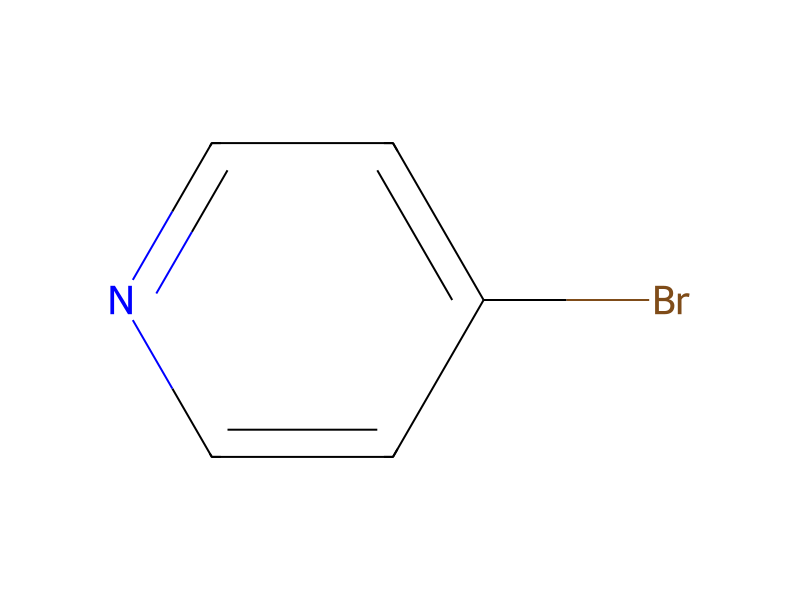
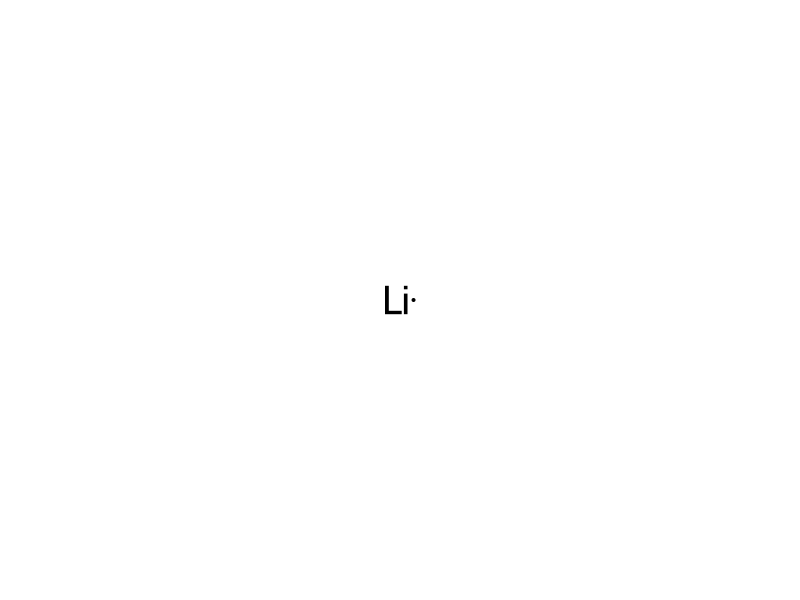
The initial material, 4-(1-chlorobutyl)-pyridine, necessary for this reaction is obtained by the following reaction sequence. Commercial 4-bromo-pyridine is converted, by halometal exchange, into the corresponding 4-lithium-pyridine compound. This lithium compound is converted, with butyraldehyde, into the corresponding secondary alcohol. The alcohol is then converted by reaction with thionyl chloride into 4-(1-chlorobutyl)pyridine. 0.68 g of imidazole is dissolved in 5 ml of dimethylformamide, 0.3 g of sodium hydride (80%) is added and stirred for 10 minutes at room temperature. A solution of 3.87 g of 4-(1-chlorobutyl)-pyridine in 4 ml of dimethylformamide is added to this solution and stirred for 24 hours at room temperature. Then it is poured into 100 ml of 10% hydrochloric acid and extracted with ethyl acetate. The aqueous phase is made alkaline with sodium hydroxide solution (pH 13) and extracted with methylene chloride. The methylene chloride solution is concentrated by evaporation in a vacuum and the residue is distilled on a bulb tube, boiling point: 170°-190° C./0.04 mbar. 0.3 g of 4-[1-(1-imidazolyl)-butyl]-pyridine is obtained.
Workup
- stirringstirred for 24 hours at room temperature
- extractionextracted with ethyl acetate
- extractionextracted with methylene chloride
- concentrationThe methylene chloride solution is concentrated by evaporation in a vacuum
- distillationthe residue is distilled on a bulb tube
Sources & evidence
- ORD record
- ord-2dc4d463732f4647accf0b0a8a4a0cef
- Source dataset
- uspto-grants-1991_06
- Patent number
- US05021434
Reaction notes
Loading…