4-Chlorobenzyl alcohol → HCID 19831107, compound
Reaction equation

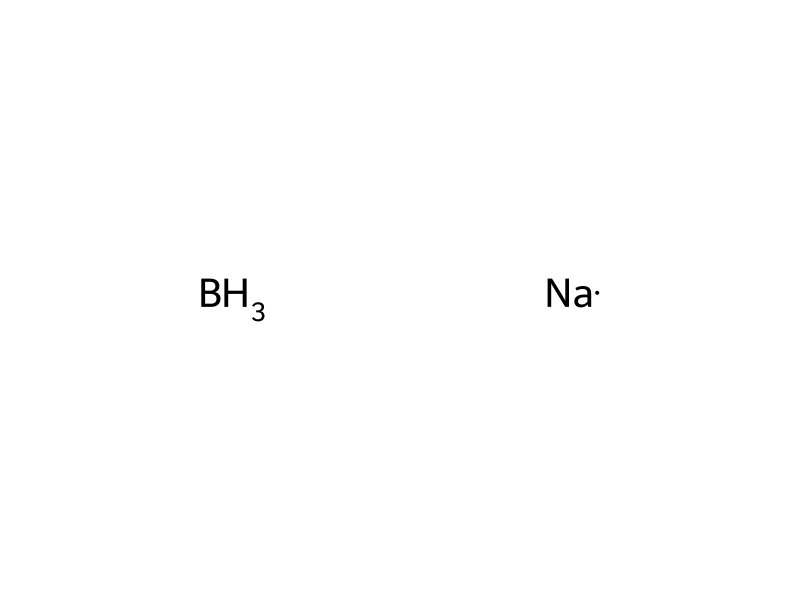
ClC1C=NC=CC=1C#N.ClC1C=CC(CO)=CC=1.[H-].[Na+].C([Li])CCC.[Cl:26][C:27]1[CH:46]=[CH:45][C:30]([CH2:31][O:32][C:33]2[CH:34]=[N:35][CH:36]=[CH:37][C:38]=2[C:39](=[O:44])[CH2:40][CH2:41][CH2:42][CH3:43])=[CH:29][CH:28]=1.B.[Na]>CN(C)C=O.ClC1C=CC(COC2C=NC=CC=2C#N)=CC=1.C(OCC)C>[Cl:26][C:27]1[CH:46]=[CH:45][C:30]([CH2:31][O:32][C:33]2[CH:34]=[N:35][CH:36]=[CH:37][C:38]=2[CH:39]([OH:44])[CH2:40][CH2:41][CH2:42][CH3:43])=[CH:29][CH:28]=1Participants
Reactant 6





Product 1

Reagents, catalysts & solvents 3



Procedure
Starting from 3-chloro-4-pyridine carbonitrile, by reaction with 4-chlorobenzyl alcohol in the presence of sodium hydride in dimethylformamide, 3-(4-chlorobenzyloxy)-4-pyridine carbonitrile is obtained, which is reacted with butyllithium in diethyl ether to 3-(4-chlorobenzyloxy)-4-valeryl pyridine. The keto group of this 4-valeryl derivative is reduced with sodium boron hydride to the hydroxyl group; 1-[3-(4-chlorobenzyloxy)-4-pyridyl]-1-pentanol is obtained. The hydroxyl group of the pentanol derivative is exchanged with thionyl chloride in methylene chloride for a chlorine group, 3-(4-chlorobenzyloxy)-4-(1-chloropentyl)-pyridine is obtained. By subsequent reaction with imidazole in the presence of sodium hydride (analogously to example 13), the 3-(4-chlorobenzyloxy)-4-[1-(1-imidazolyl)-pentyl]-pyridine is obtained.
Workup
- customis obtained
Sources & evidence
- ORD record
- ord-aac63efba5434fbebe7a25331abe6e95
- Source dataset
- uspto-grants-1991_06
- Patent number
- US05021434
Reaction notes
Loading…