Hydrochloric Acid → HCID 67828797, compound
Reaction equation

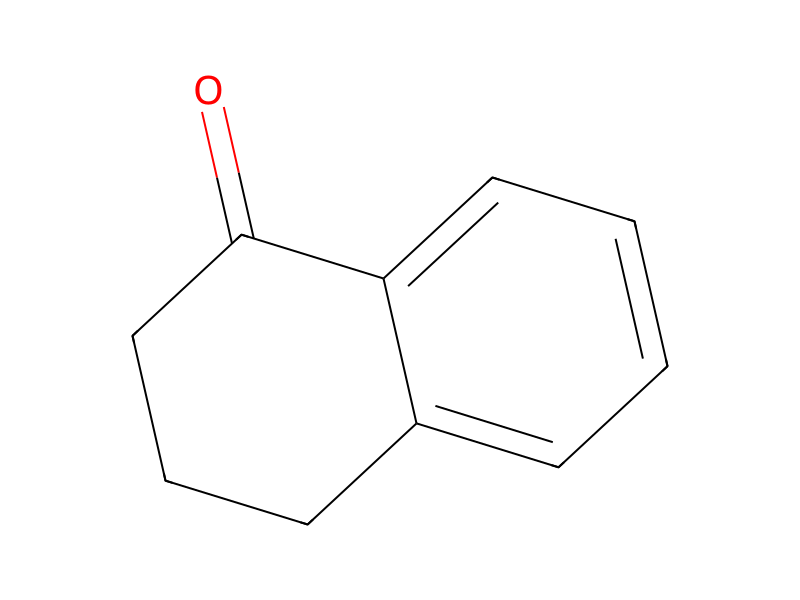
[NH:1]1[CH2:6][CH2:5][NH:4][CH2:3][CH2:2]1.[Cl:7][C:8]1[CH:9]=[C:10]2[C:15](=[CH:16][CH:17]=1)[CH:14]([CH3:18])[C:13](=O)[CH2:12][CH2:11]2.C1(=O)C2C(=CC=CC=2)CCC1.[ClH:31]>C1(C)C=CC=CC=1.C(O)C.C1(C)C=CC(S(O)(=O)=O)=CC=1.O>[ClH:7].[ClH:31].[CH3:18][C@@H:14]1[C:15]2[C:10](=[CH:9][C:8]([Cl:7])=[CH:17][CH:16]=2)[CH2:11][CH2:12][C@@H:13]1[N:1]1[CH2:6][CH2:5][NH:4][CH2:3][CH2:2]1Participants








Procedure
To 15 g of 4A molecular sieves in 250 ml of dry toluene were added piperazine (6.37 g) and 6-chloro-1-methyl-2-tetralone (8.6 g). Using a Dean-Stark water trap, the mixture was stirred and heated at reflux under a nitrogen atmosphere. After 23 hours, NMR analysis of a sample of the reaction solution showed the presence of tetralone. Fifty mg of p-toluenesulfonic acid were added, and the mixture was stirred and refluxed for an additional 26 hours. An additional 10 g of 4A sieves was added, and reflux was continued for an additional 10 hours. The sieves were filtered, and toluene was evaporated from the filtrate. The residue was dissolved in a mixture of 200 ml of THF and 20 ml of methanol. To the resulting solution, stirred under nitrogen and with ice bath cooling, was added sodium cyanoborohydride (2.68 g). Gaseous HCl was added to the solution, in portions, until the solution remained acidic. After stirring overnight at room temperature, solvents were removed on a rotary evaporator, and the residue was partitioned between ether and dilute hydrochloric acid. The acidic solution was separated and made basic in the cold with sodium hydroxide. The oil which separated was extracted with ether, and the ether solution was dried (MgSO4). Removal of the ether left 8.1 g of an oil. The oil was combined with 1 g of the product from a previous small scale reaction. A solution of the total in ethanol was treated with excess gaseous HCl. The crystals which separated were filtered and digested on the steam bath with 100 ml of methanol. The several crops of crystals obtained from the methanol were combined and recrystallized from ethanol to provide 6.3 g of the title compound. When dried at 120° C. in vacuo, the dihydrochloride lost one mol of hydrogen chloride and gave the following:
Workup
- temperatureheated
- temperatureat reflux under a nitrogen atmosphere
- stirringthe mixture was stirred
- temperaturerefluxed for an additional 26 hours
- temperaturereflux
- waitwas continued for an additional 10 hours
- filtrationThe sieves were filtered
- customtoluene was evaporated from the filtrate
- dissolutionThe residue was dissolved in a mixture of 200 ml of THF and 20 ml of methanol
- stirringTo the resulting solution, stirred under nitrogen and with ice bath
- temperaturecooling
- additionwas added sodium cyanoborohydride (2.68 g)
- additionGaseous HCl was added to the solution, in portions, until the solution
- stirringAfter stirring overnight at room temperature
- customsolvents were removed on a rotary evaporator
- customthe residue was partitioned between ether and dilute hydrochloric acid
- customThe acidic solution was separated
- customThe oil which separated
- extractionwas extracted with ether
- dry with materialthe ether solution was dried (MgSO4)
- customRemoval of the ether
- waitleft 8.1 g of an oil
- customThe oil was combined with 1 g of the product from a previous small scale reaction
- customThe crystals which separated
- filtrationwere filtered
- customThe several crops of crystals obtained from the methanol
- customrecrystallized from ethanol
Sources & evidence
- ORD record
- ord-0608e2397c0a427ea2181eec31622589
- Source dataset
- uspto-grants-1991_06
- Patent number
- US05026707
Reaction notes
Loading…