Methyl Methacrylate → HCID 11830173, compound
Reaction equation

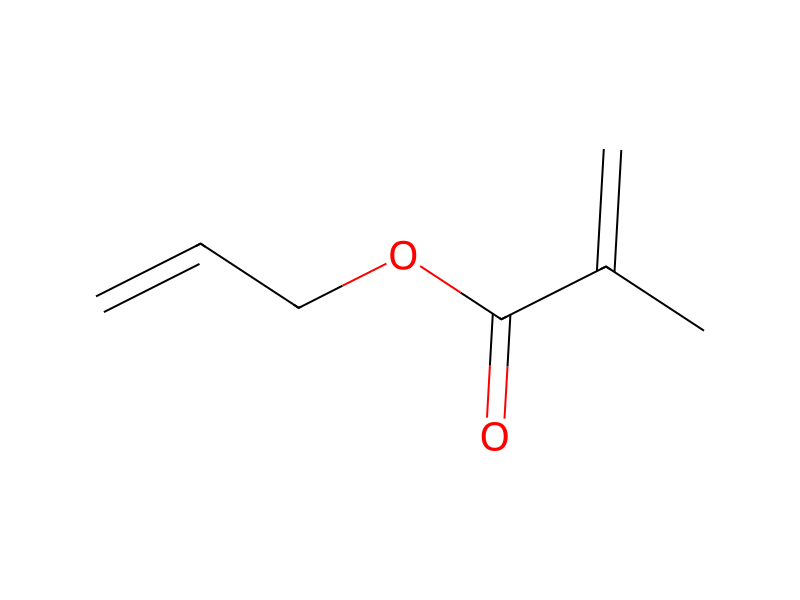
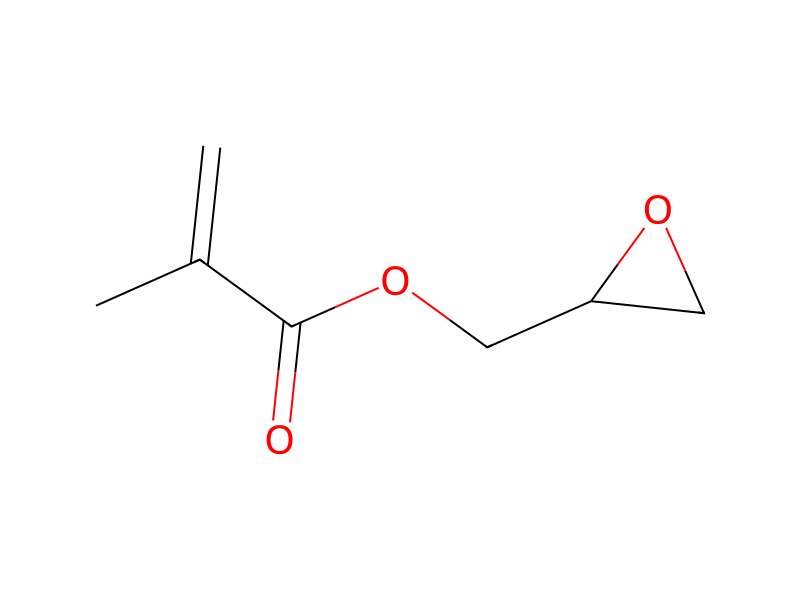
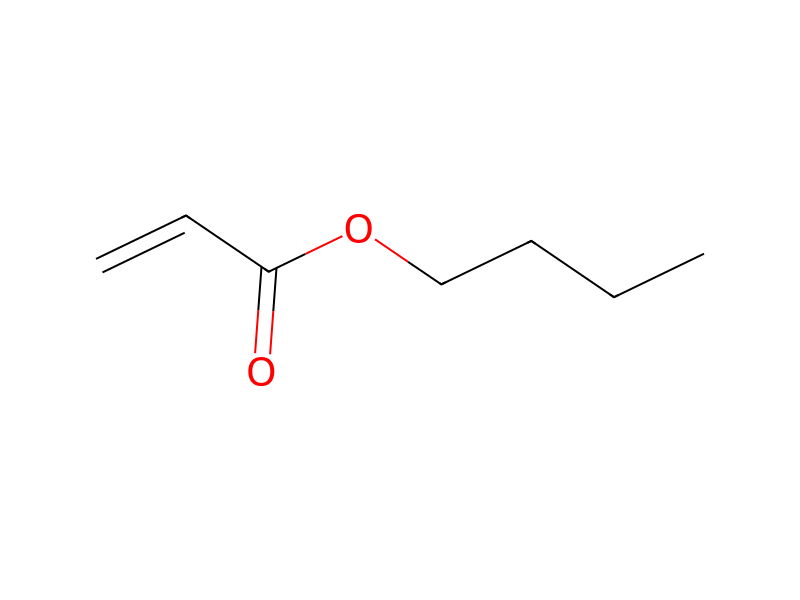
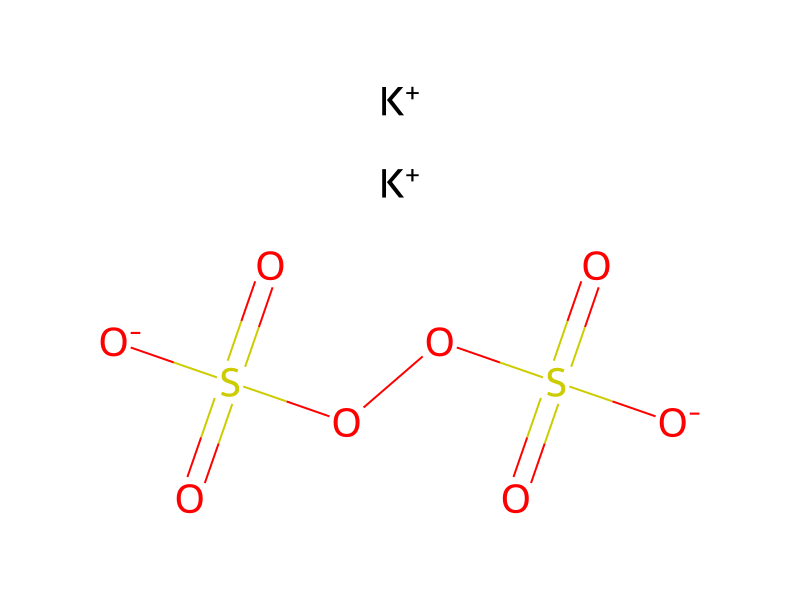
[C:1](OCCCC)(=O)[CH:2]=[CH2:3].C(OCC=C)(=[O:14])C(C)=C.S(OOS([O-])(=O)=O)([O-])(=O)=O.[K+].[K+].C(OC)(=O)C(C)=C.C(OCC)(=O)C=C.[C:45]([O:50][CH2:51][CH:52]1[O:54][CH2:53]1)(=[O:49])[C:46]([CH3:48])=C>O>[CH3:1][CH2:2][CH2:3][C@@H:48]([OH:14])[C@@H:46]1[C:45](=[O:49])[O:50][CH2:51][C@H:52]1[CH2:53][OH:54]Participants




Conditions
- Temperature
- 80 °C
Procedure
In a 5 liter flask, 88 parts of pure water, 5 parts of butyl acrylate and 0.125 parts of allyl methacrylate were charged and heated to 80° C. while stirring at 250 rpm in a nitrogen atmosphere. A previously prepared solution of 0.10 parts of potassium persulfate and 5.2 parts of pure water was charge at a time and the first stage soap-free emulsion polymerization was conducted while maintaining for 60 minutes. Then, a mixed solution of 65 parts of butyl acrylate, 1.625 parts of allyl methacrylate, 0.6 parts of sodium di 2-ethylhexylsulfosuccinate and 34.0 parts of pure water was added dropwise over 180 minutes and the second stage emulsion polymerization was conducted while maintaining for one hour to obtain an acrylic rubber polymer latex (R-2). To the resulting latex (R-4), a mixed solution of 25.4 parts of methyl methacrylate, 0.6 parts of ethyl acrylate, 4 parts of glycidyl methacrylate, 0.4 parts of sodium di 2-ethylhexyl sulfosuccinate and 15.6 parts of pure water was added dropwise over 100 minutes and, after maintaining for one hour, the emulsion polymerization was terminated to obtain a graft copolymer (G-2) latex. The resulting latex had a particle size of 600 nm. The resulting graft copolymer latex was sprayed by a pressure nozzle type using a spray dryer and the resulting microdroplets were dried at a hot-air inlet temperature of 180° C. to obtain a modifier for resin (IM-2). The resulting powder had an average particle size of 38 μm. The powder particles had a disintegration property of 57%. The rubber moiety had a glass transition point of −25° C. and the graft moiety had a glass transition point of 83° C.
Workup
- customthe first stage soap-free emulsion polymerization
- temperaturewhile maintaining for 60 minutes
- customthe second stage emulsion polymerization
- temperaturewhile maintaining for one hour
- customto obtain an acrylic rubber polymer latex (R-2)
- temperatureafter maintaining for one hour
- customthe emulsion polymerization
- customwas terminated
- customto obtain a graft copolymer (G-2) latex
- customthe resulting microdroplets were dried at a hot-air inlet temperature of 180° C.
Sources & evidence
- ORD record
- ord-93be2736fc5a43cd996c3d9f6f175776
- Source dataset
- uspto-grants-2015_12
- Patent number
- US09206310B2
Reaction notes
Loading…