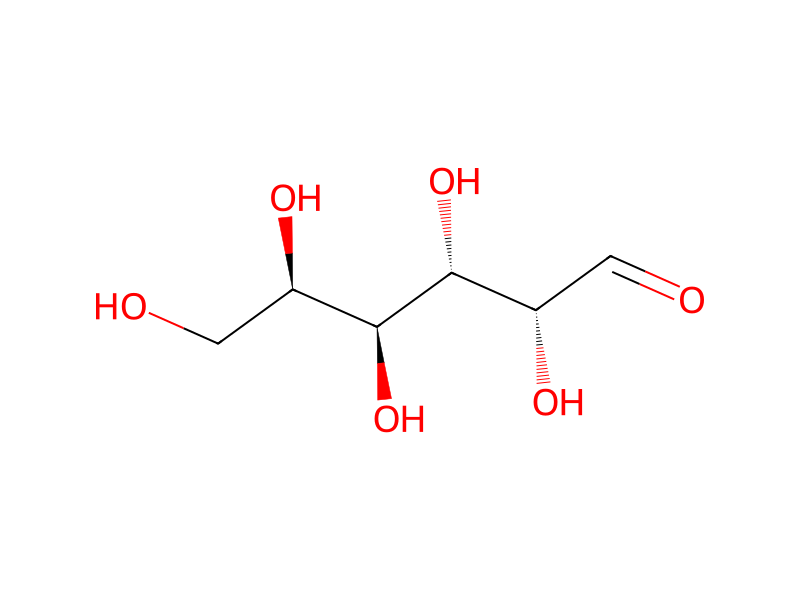
Potassium Carbonate → (2R,3S,4S,5R)-2,3,4,5,6-pentahydroxyhexanal
Reaction equation

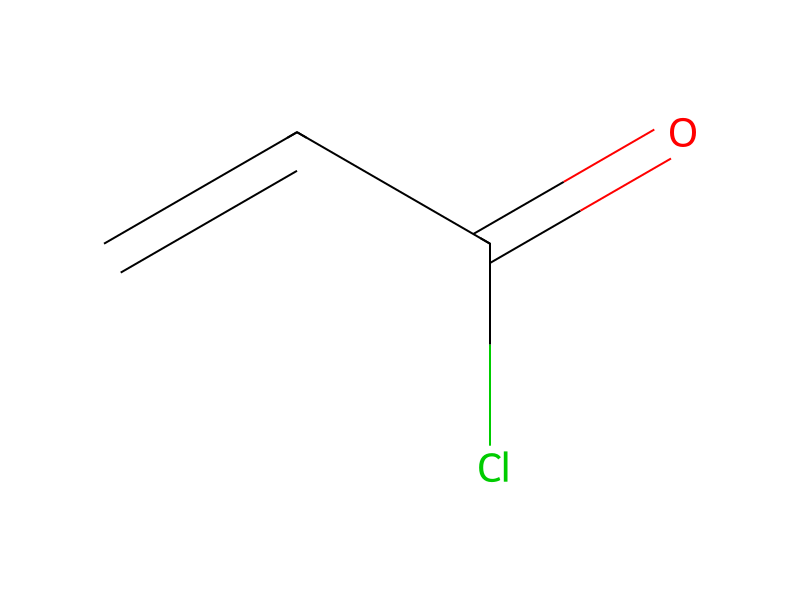
[C:1](=[O:4])([O-])[O-].[K+].[K+].N[C@H:8]([C@H:11]([C@H:13]([C@@H:15](CN)[OH:16])[OH:14])[OH:12])[CH:9]=[O:10].C(Cl)(=[O:22])C=C>N1C=CC=CC=1>[O:16]=[CH:15][C@@H:13]([C@H:11]([C@H:8]([C@@H:9]([CH2:1][OH:4])[OH:10])[OH:22])[OH:12])[OH:14]Participants
5
Reactant 3


Product 1
Reagents, catalysts & solvents 1

Procedure
Using a similar procedure as outlined in Example 4 and shown in FIG. 2 (with either pyridine or potassium carbonate as base), 2,6-diamino-2,6-dideoxy-D-galactose is reacted with acryloyl chloride to yield N,N-(2,6-deoxy-D-galactose)-2,6-acrylamide, galactose-derived N-((5-acrylamido-3,4,6-trihydroxytetrahydro-2H-pyran-2-yl)methyl)acrylamide.
Sources & evidence
- ORD record
- ord-83391f0e40874779998f989d7c65ad37
- Source dataset
- uspto-grants-2015_12
- Patent number
- US09212245B2
Reaction notes
Loading…