Imidazole → 3-(Tert-butyldiphenylsiloxy)propanol
Reaction equation

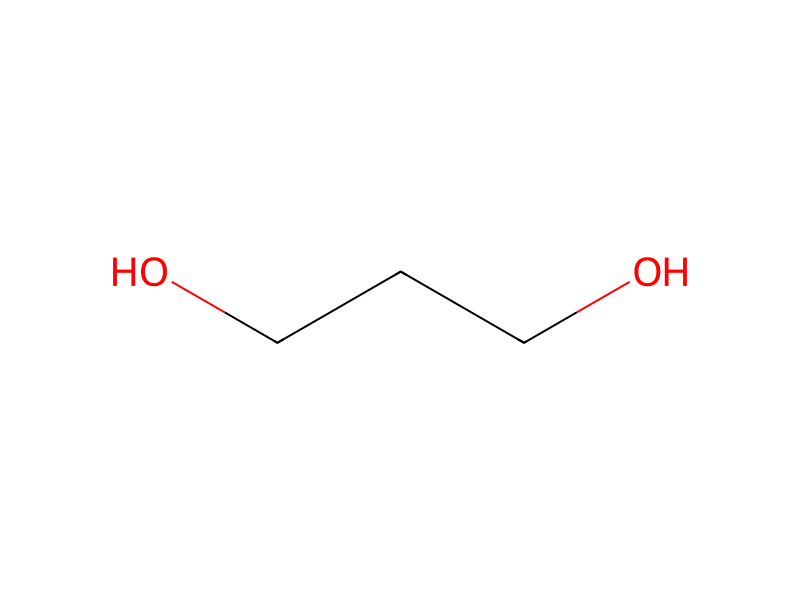
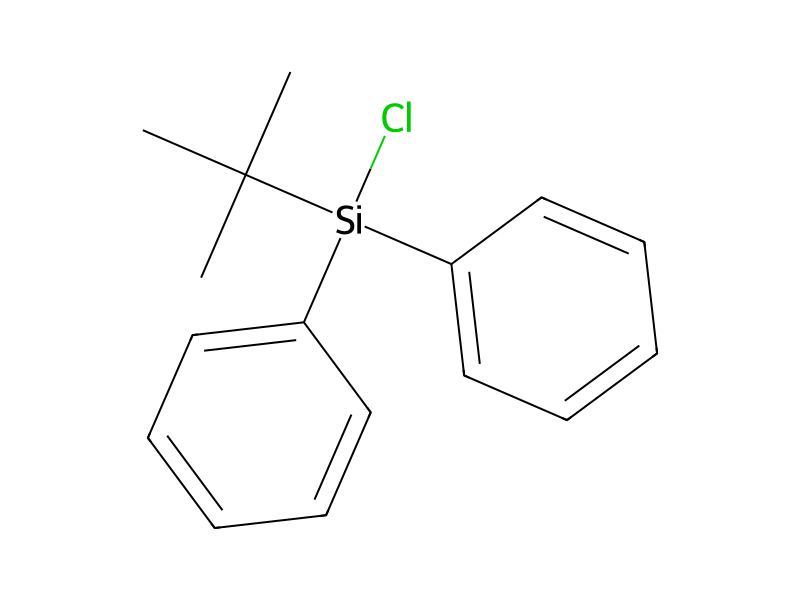
[CH2:1]([OH:5])[CH2:2][CH2:3][OH:4].N1C=CN=C1.[Si:11](Cl)([C:24]([CH3:27])([CH3:26])[CH3:25])([C:18]1[CH:23]=[CH:22][CH:21]=[CH:20][CH:19]=1)[C:12]1[CH:17]=[CH:16][CH:15]=[CH:14][CH:13]=1>CN(C)C=O.C(OCC)(=O)C>[Si:11]([O:4][CH2:3][CH2:2][CH2:1][OH:5])([C:24]([CH3:27])([CH3:26])[CH3:25])([C:18]1[CH:19]=[CH:20][CH:21]=[CH:22][CH:23]=1)[C:12]1[CH:17]=[CH:16][CH:15]=[CH:14][CH:13]=1Participants
6
Reactant 3

Product 1

Reagents, catalysts & solvents 2


Procedure
To a solution of 1,3-propanediol (1.25 g, 16.4 mmol) in N,N-dimethylformamide (50 mL) was added imidazole (2.23 g, 32.8 mmol) and tert-butyldiphenylsilyl chloride (4.97 g, 18.1 mmol). The reaction was stirred for 3 days at room temperature, then was diluted with ethyl acetate and was washed with water and brine. Concentration in vacuo afforded the crude product as a thick colorless oil which was used directly in the next step.
Workup
- washwas washed with water and brine
- concentrationConcentration in vacuo
Sources & evidence
- ORD record
- ord-2a60f97ccc6e46e8bb3ffdba69a0f81d
- Source dataset
- uspto-grants-2012_07
- Patent number
- US08232309B2
Reaction notes
Loading…