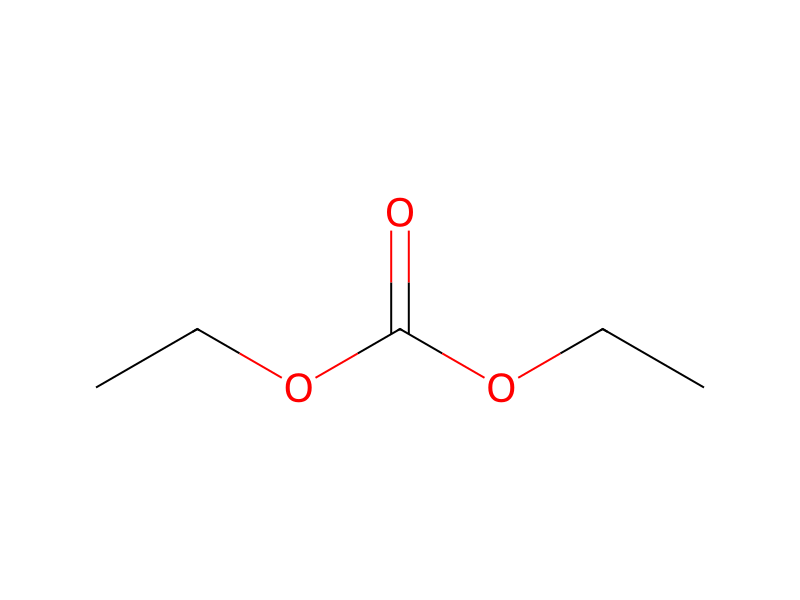
Diethyl Carbonate → Ethyl 2-(4-broMopyridin-2-yl)acetate
Reaction equation

C([N-]C(C)C)(C)C.[Li+].[Br:9][C:10]1[CH:15]=[CH:14][N:13]=[C:12]([CH3:16])[CH:11]=1.[C:17](=O)([O:21]CC)[O:18][CH2:19][CH3:20]>O1CCCC1>[CH2:19]([O:18][C:17](=[O:21])[CH2:16][C:12]1[CH:11]=[C:10]([Br:9])[CH:15]=[CH:14][N:13]=1)[CH3:20]Participants
Reactant 3


Product 1

Reagents, catalysts & solvents 1

Conditions
- Temperature
- -70 °C
Procedure
Lithium diisopropylamide (2 mol/L in tetrahydrofuran/heptane/ethylbenzene, 3.00 mL) was added to a solution of 4-bromo-2-methylpyridine (2.00 g) and diethyl carbonate (1.8 mL) in tetrahydrofuran (30 mL) cooled to −70° C. The solution was stirred for 1 h prior to the addition of another portion of lithium diisopropylamide (2 mol/L in tetrahydrofuran/heptane/ethylbenzene, 3.00 mL). Stirring was continued at −70° C. for one more hour and then the reaction was quenched by the addition of water. The resulting mixture was extracted with ethyl acetate and the combined extracts were washed with brine and dried (Na2SO4). The solvent was evaporated and the residue was chromatographed on silica gel (cyclohexane/ethyl acetate 95:5→1:1) to give the title compound. Yield: 2.35 g (83% of theory); LC (method 3): tR=2.86 min; Mass spectrum (ESI+): m/z=244/246 (Br) [M+H]+.
Workup
- stirringStirring
- customwas continued at −70° C. for one more hour
- customthe reaction was quenched by the addition of water
- extractionThe resulting mixture was extracted with ethyl acetate
- washthe combined extracts were washed with brine
- dry with materialdried (Na2SO4)
- customThe solvent was evaporated
- customthe residue was chromatographed on silica gel (cyclohexane/ethyl acetate 95:5→1:1)
Sources & evidence
- ORD record
- ord-1c34bf2c51354f6f8072399987444e41
- Source dataset
- uspto-grants-2015_07
- Patent number
- US09090605B2
Reaction notes
Loading…